
That means the survivor’s safety, dignity, choices, and confidentiality come first at every step.
Here is how it works in detail:
FIRST RESPONSE – What to do in the first minutes/hours
This is the most critical step.
How the first person who hears about the violence reacts will determine if the survivor gets help.

The WHO standard is LIVES:
Listen: Listen closely, with empathy, without interrupting or judging. Believe them. Say “I believe you, this is not your fault, thank you for trusting me.
Do NOT ask: “What did you do? Why were you there? Why didn’t you leave?”
Inquire about needs: Ask what they need right now. “Are you hurt? Are you safe right now? Is there someone you trust that I can call for you? Are you worried about your children?”
Validate: Show you understand. What happened to you is serious and wrong. No one deserves this. You are very brave to share this.
Enhance Safety: Is the perpetrator still nearby? Is the survivor in immediate danger?
If yes: Help them move to a safe place a trusted neighbor, family member, hospital, or shelter.
Do not confront the perpetrator yourself.
If there are injuries, help them get medical care immediately.
Don’t wash clothes, don’t bathe if sexual assault just happened, keep evidence in a paper bag if possible.
Support: Tell them what options exist, but let THEM decide. Don’t force them to report.
Give information, not orders.
What you MUST NOT do in first response:
Don’t promise what you can’t deliver
Don’t break confidentiality – don’t tell others without permission, except when there is life-threatening risk or child abuse where you must report
Don’t mediate between survivor and perpetrator
Don’t document on social media
REPORTING PATHWAYS –
Where to report in Nigeria
A survivor can choose one or more pathways. Reporting is NOT mandatory for getting medical or psychosocial help.
A. Health Pathway – Should be first within 72 hours for rape:
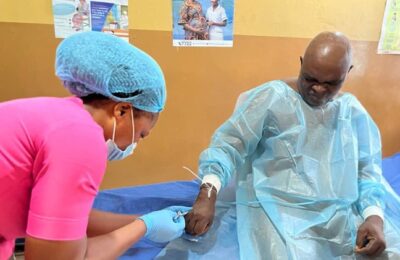
Go directly to any government hospital. Say you are a GBV survivor. They are mandated to treat you even without a police report.
For Abuja: National Hospital Abuja, Maitama District Hospital, Wuse General Hospital, Asokoro District Hospital all have GBV/Sexual Assault Response Centers.
They will do clinical care, HIV post-exposure prophylaxis (PEP) – effective only within 72 hours, emergency contraception within 120 hours, wound care, and forensic documentation.
Formal Justice & Protection Pathway:
Nigeria Police Force – Gender Desk: Every State Police Command has a Gender Desk.
In Abuja, go to any police station and ask for the Gender Officer, or go to the Force Gender Unit at Force Headquarters. You will get a free police report and referral.
Nigeria Security and Civil Defence Corps [NSCDC] – Gender Unit
National Agency for the Prohibition of Trafficking in Persons [NAPTIP]: Mandated for sexual violence, trafficking, domestic violence. They have shelters.
Hotline: 0703 0000 203 / Short code 627
4. National Human Rights Commission
C. Informal / Community Pathway:
If the survivor does not want police immediately, they can report to:
A trusted community leader, women leader, religious leader who has been trained on GBV referral
Social welfare officer at the LGA Secretariat
An NGO / CSO
In FCT Abuja, the main GBV referral NGOs are:
Stand To End Rape [STER]
Mirabel Centre – Sexual Assault Referral Centre
Women At Risk International Foundation [WARIF]
DOHS Cares Foundation
National toll-free emergency lines you can call 24/7:
National GBV Toll-Free Line: 0800 033 3333
NAPTIP: 0703 0000 203
Domestic and Sexual Violence Agency: 0810 072 0421
When you call, they will link you to the nearest responder.
. SUPPORT SERVICES – The 4 Pillars of Care
After first response and reporting, a survivor should be offered .
ALL of these, based on their consent:
Health Services:
Immediate first aid, treatment of injuries
Clinical Management of Rape: HIV PEP, STI prevention, emergency contraception, tetanus, Hepatitis B vaccine
Forensic examination with consent, using the national protocol
Follow-up tests for HIV, pregnancy, trauma counseling
Documentation that can serve as medical evidence later
2. Psychosocial Support:
Psychological First Aid in the first days
Individual counseling by a trained caseworker – not to tell them to forgive or forget, but to help them process trauma, regain control
Support groups for survivors • Child-friendly counseling if survivor is a minor
Referral for specialized mental health care if there is severe depression, suicidal thoughts, PTSD
3. Protection / Safety Services:
Safety planning: Where will you sleep tonight? Do you have important documents?
Safe shelter / temporary accommodation: NAPTIP shelters, state Ministry of Women Affairs shelters, NGO shelters. They are confidential and free.
For children, referral to child protection services.
Legal / Justice Support:
Free legal aid through: FIDA Nigeria [Federation of Women Lawyers], Legal Aid Council of Nigeria, NHRC, and NGO legal clinics
Help writing a statement, following up on case at police, court accompaniment
Under the VAPP Act 2015 which is domesticated in FCT, rape, spousal battery, harmful traditional practices are crimes. The survivor can get a protection order.
Economic Reintegration [Often forgotten]:
Skills training, livelihood support, school re-entry for adolescent girls, so the survivor does not have to return to the abuser for economic reasons.
Golden Principles for everyone responding:
Consent: For adult survivors, nothing happens without their informed consent – including medical exam and reporting.
Confidentiality: Share information only on a need-to-know basis with other service providers, with survivor’s permission.
Respect: No discrimination based on marital status, sex work, disability, sexual orientation, or what they were wearing.
Do No Harm: If you are not trained, refer. Don’t try to counsel beyond your capacity.
If you are currently with a survivor:
Ensure safety now ,
Get medical care within 72 hours , Call 0800 033 3333 for the nearest caseworker who will take over the case management and walk them through all the steps.
– Benjamin Ibrahim writes from Lokoja, Kogi state.
+2348069596250