
By Muhammed Sherifdeen Omeiza
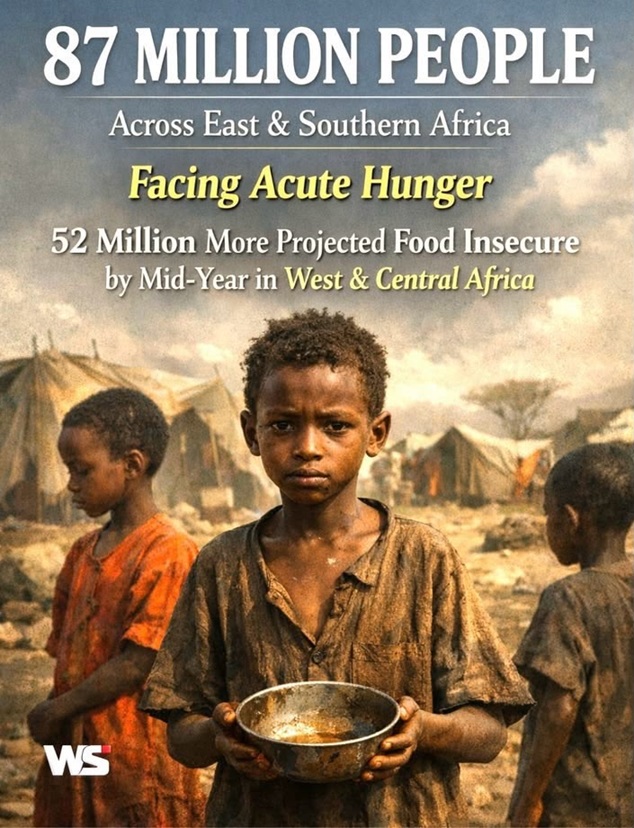
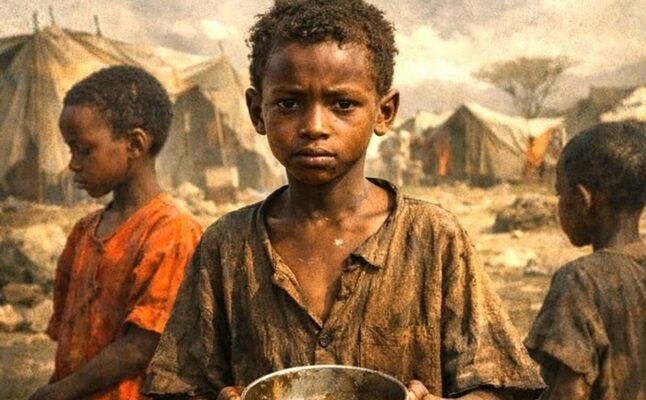
Food insecurity in Africa is no longer a problem that can be discussed only in statistics and development reports. For millions of families across the continent, it is a daily reality. It is the parent who returns home without enough food for the family, the child who goes to school hungry, and the household that must choose between buying food and paying for other basic needs.
Africa has enormous agricultural potential. The continent has vast areas of arable land, a young population and diverse climatic conditions that can support the production of different crops and livestock. Yet, despite this potential, many African countries continue to struggle with food insecurity. The problem is therefore not simply that Africa does not produce enough food. It is also about poverty, access, distribution, conflict, climate change and the ability of ordinary people to afford what is available.

One of the biggest challenges is poverty. Food may be available in local markets, but availability does not automatically mean access. When prices rise faster than people’s incomes, families are forced to reduce the quantity and quality of what they eat. This is particularly difficult for low-income households, where a large part of monthly income is already spent on food.
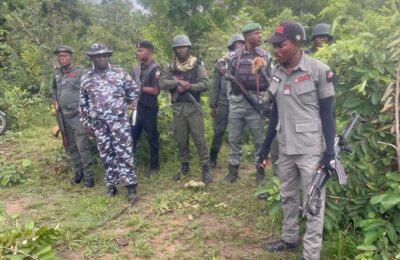
Conflict has also made the situation worse in several parts of the continent. Where violence continues, farmers may abandon their farms, markets may close and transportation routes can become unsafe. In such environments, even communities that were once capable of producing enough food can suddenly become dependent on external assistance.
Climate change presents another serious challenge. Irregular rainfall, prolonged droughts, floods and changing weather patterns are making farming increasingly unpredictable. Smallholder farmers, who depend heavily on rainfall, are often the first to feel these effects. A failed harvest can mean not only a loss of income but also less food for the household.
Addressing food insecurity in Africa therefore requires more than distributing food during emergencies. Governments need to invest in agriculture, irrigation, rural roads, storage facilities and systems that allow farmers to get their products to markets. Farmers also need access to affordable finance, improved seeds, technology and reliable information about changing weather conditions.
Most importantly, food security should be treated as a development priority rather than an emergency issue that governments respond to only when hunger becomes visible. A continent cannot achieve sustainable economic development when a significant part of its population is uncertain about where the next meal will come from.
Africa has the resources to feed its people. The real challenge is creating the conditions that allow those resources to reach the people who need them. Until food is not only produced but also affordable, accessible and available consistently, the fight against hunger will remain unfinished.
– Muhammed Sherifdeen Omeiza is a Nigerian researcher and writer whose work explores the intersection of humanitarian action, human rights, gender equality and global governance. With a keen interest in public policy, democracy, and political economy, he examines how local experiences and global decisions shape humanitarian outcomes in times of crisis. His writings draw from African and international contexts, reflecting a commitment to justice, accountability, and people-centered governance in global affairs.
Email: sherifdeenmuhammed001@gmail.com