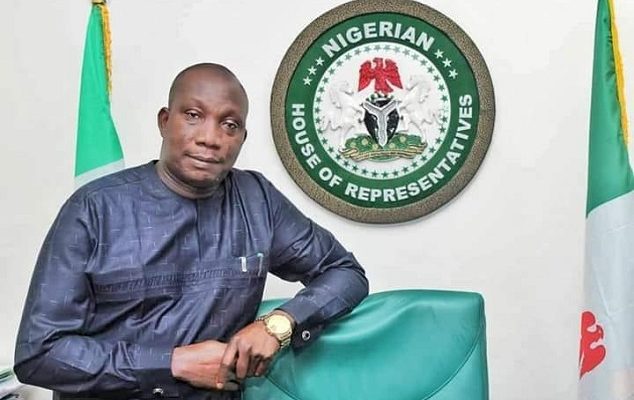

In this exclusive interview, Hon. David Zacharia, a two-term member of the House of Representatives representing the Idah/Ofu/Igalamela-Odolu/Ibaji federal constituency — the largest constituency in Kogi East — opens up on why he is seeking another term, his philosophy of generosity, the unity of the Igala nation, and his confidence in the future of the All Progressives Congress (APC). As Chairman of the House Committee on Safety Standards, he reflects on his journey, praises the humility of Governor Ahmed Usman Ododo, speaks warmly of former Governor Yahaya Bello’s compassion, and commended the leadership qualities of the Speaker of the House. What follows is a heartfelt conversation with a man who insists that public office is first a moral duty before it becomes a political ambition.
Honorable, you have served two terms in the House of Representatives. Why are you seeking another term?
First, let me say that I am deeply grateful to the good people of Idah, Ofu, Igalamela-Odolu and Ibaji local government areas for the trust they have placed in me. Representing the largest constituency in Kogi East is not just an assignment; it is a sacred responsibility. I am seeking another term not because of personal ambition, but because of unfinished work and greater opportunities ahead.

Legislative experience matters. When you spend time in the National Assembly, you learn the processes, you build relationships, you gain ranking and influence. These are not for personal prestige; they translate into real benefits for your people. As Chairman of the House Committee on Safety Standards, I have come to understand how important positioning is. A first-term member is learning the ropes; a ranking member is shaping policies.
Another term will consolidate the gains we have made and open even bigger doors for our constituency.
You are often been described as “generous to a fault.” Some even say you do not believe in keeping money for yourself. Why is that?
(Laughs) I don’t know about being generous to a fault, but I believe strongly that whatever God gives you is for a purpose. I come from a humble background. I know what it means to struggle. When you have experienced hardship, you cannot close your eyes to the needs of others.
For me, money is a tool for impact, not a treasure to be hidden. I do not believe in accumulating wealth while my people suffer. If someone comes to me for school fees, hospital bills, or support for a small business, I see it as an opportunity to make a difference.
Leadership is about sacrifice. If you cannot share what you have, then you should not ask people to share their mandate with you.
You have consistently spoken about unity among the Igala nation. Why is this so important to you?
Unity is everything. The Igala nation is blessed with talented, intelligent and hardworking people. But we must speak with one voice if we want to command greater respect and development.
When we are divided, we weaken our bargaining power. When we are united, we become a force that cannot be ignored. My appeal has always been that we should put aside petty differences and focus on collective progress.
The future of our children depends on how united we are today. Development does not come to a divided house. As leaders, we must preach peace, cooperation and mutual respect.
What are the chances of the APC retaining power at the federal level?
I am confident about the future of our party, the All Progressives Congress. Nigerians understand that nation-building is a gradual process. Reforms may be difficult at first, but they lay the foundation for long-term stability and growth.
The APC has demonstrated courage in taking tough decisions for the good of the country. I believe Nigerians will reward sincerity, resilience and vision. The key is for us as party leaders to remain close to the grassroots, to listen to the people, and to ensure that the dividends of democracy are felt across communities.
If we stay united and focused, the chances of retaining power at the federal level are very strong.
You have spoken highly of Governor Ahmed Usman Ododo. What stands out about him?
Governor Ahmed Usman Ododo is a humble and accessible leader. Humility in leadership is rare, but it is powerful. He listens. He consults. He respects elders and values the youth.
Leadership is not about noise; it is about steady impact. Governor Ododo has shown that he understands the needs of Kogi people. His calm disposition and inclusive approach have strengthened governance in the state.
I believe he deserves a second term because continuity will deepen the reforms and projects he has started. Stability in leadership creates confidence for investors and hope for citizens.
You also maintain a strong admiration for former Governor Yahaya Bello. Why?
Former Governor Yahaya Bello is a compassionate leader. People sometimes misunderstand strong leadership, but those who worked closely with him know his heart.
He made bold decisions and opened doors for many young people in Kogi State. His belief in youth inclusion changed the political landscape. Compassion is not always about soft words; sometimes it is about taking firm actions that secure the future.
I deeply appreciate the mutual respect and relationship between Governor Ododo and Yahaya Bello. That unity at the top sends a powerful message of stability and continuity.
What is your assessment of the leadership of the Speaker of the House of Representatives?
The Speaker, Tajudeen Abbas, has shown exceptional leadership qualities. He is calm, strategic and inclusive. In a diverse House like ours, managing different interests requires patience and wisdom.
Under his leadership, committees have been empowered to function effectively. As Chairman of the Committee on Safety Standards, I have felt that support. The Speaker understands that strong committees mean a stronger legislature.
His ability to build consensus has enhanced the image of the House. That is leadership.
Why should your constituents support you for another term?
The truth is simple: continuity brings greater gains. In the National Assembly, seniority matters. Ranking members have better access to leadership positions, greater influence in budget negotiations, and stronger voices in policy formulation.
Our constituency is vast and diverse. We need someone who understands its complexities and has built networks that can translate into projects and opportunities. Starting afresh with a new member means returning to the learning phase.
This is not about me as a person; it is about what our constituency stands to gain or lose. Another term will mean bigger projects, stronger representation, and deeper impact.
How do you balance politics with humility, given your growing influence?
Humility is not something you switch on and off. It is who you are. I never forget where I come from. I still see myself as a servant of the people.
Power is temporary; character is permanent. When you treat people with respect — from the elderly farmer in Ofu to the young trader in Idah — you remind yourself that leadership is service. I believe that the day a leader begins to see himself as above the people is the day he loses moral authority.
What message do you have for the youth of your constituency and Kogi State at large?
Stay hopeful. Stay engaged. Politics is not a dirty game; it becomes dirty when good people stay away. I encourage young people to participate, to hold leaders accountable, and to prepare themselves for leadership.
I am a product of opportunity and belief. If we create the right environment, our youth can compete anywhere in the world.
Finally, what legacy do you hope to leave behind?
I want to be remembered as a man who gave his all. A representative who did not hoard resources but shared them. A leader who preached unity among the Igala nation. A lawmaker who used his position to strengthen safety standards and protect lives.
When history is written, I want it to say that David Zacharia served with sincerity, generosity and courage.