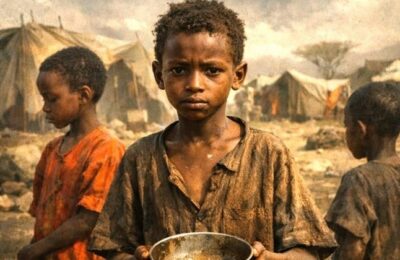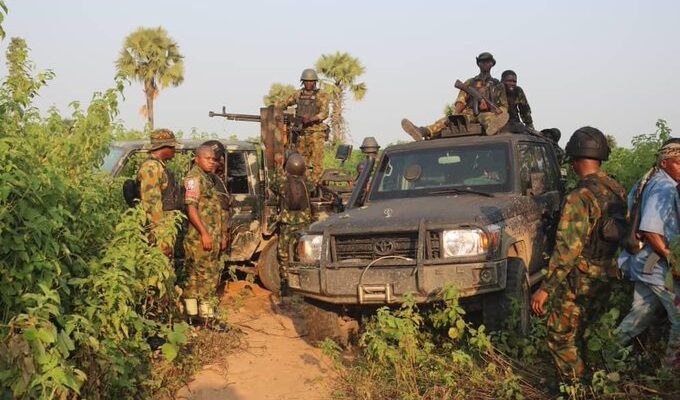

They are often reduced to figures in briefings, numbers in casualty reports, and symbols in political speeches. Yet the most urgent truth is this: soldiers bear the deepest cost of wars they did not begin. From the insurgency ravaging northeastern Nigeria to the tense theatres surrounding US, Israel, Iran, Russia and Ukraine, the burden of conflict rests not on those who design it, but on those who must endure it. Before strategy, before ideology, there is a human life placed in harm’s way.
Across these distant battlefields, a shared reality emerges. Soldiers operate within systems larger than themselves, guided by command yet confronted by deeply personal consequences. In Nigeria, those fighting Boko Haram, ISWAP and Bandits navigate a terrain shaped by uncertainty, fatigue, and prolonged exposure to violence. In regions tied to Iran’s conflict networks, soldiers face similar pressures, where every movement carries risk and every decision may determine survival. Different geographies, same weight.
Beneath the structure of military discipline lies a quieter struggle. War does not only wound the body; it reshapes the mind. Many return from deployment changed in ways that are difficult to express and even harder to measure. Memory becomes a battlefield of its own. What is seen cannot be unseen, and what is carried within often escapes public recognition. The language of victory rarely accounts for these invisible costs.

The paradox of service remains stark. Those with the least influence over the origins of conflict are those required to sacrifice the most. Soldiers do not negotiate treaties or define geopolitical interests. They inherit decisions already made, stepping into environments where duty demands obedience and survival demands resilience. In this space, courage is not abstract; it is lived daily, often without acknowledgement.
To understand war fully, one must move beyond its official narratives. It is not only a matter of territory, security, or power. It is a matter of human endurance. Behind every uniform is a life interrupted, a family waiting, and a future placed on hold. The soldier becomes both a protector and a bearer of consequences that extend far beyond the battlefield.
A heart for soldiers, therefore, begins with recognition. Not symbolic recognition, but a deeper awareness of what their service truly entails. It calls for a shift in perspective, from celebrating conflict to questioning its necessity, from counting victories to accounting for lives. In the end, the true measure of any war is not what is gained, but what is lost, and soldiers stand as its most enduring testimony.
– Inah Boniface Ocholi writes from Ayah – Igalamela/Odolu LGA, Kogi state.
08152094428 (SMS Only)