
The courtroom is silent, yet the trial continues. The evidence has been dismissed, the verdict delivered, and the Judge has spoken. Still, somewhere deep within the human heart, the case refuses to close. Many people who believe in God’s mercy continue to live under the shadow of their own condemnation. They confess their mistakes, they pray for forgiveness, and they read the promise of grace in Scripture. Yet the mind replays the moment again and again, whispering accusations long after heaven has already pronounced freedom.
It is one of the quiet struggles of faith. The struggle is not always between belief and unbelief, but between divine forgiveness and human memory. A person may fully understand the theology of grace and still feel chained to yesterday’s decision. The voice inside says what the soul fears to admit aloud: I should have known better. Why did I do that. If only I had chosen differently. These sentences become invisible prisons, locking people into cycles of regret that grace was meant to break.
Scripture speaks with clarity into this tension. The First Epistle of John offers a promise that has comforted believers for generations. “If we confess our sins, he is faithful and just to forgive us our sins and to cleanse us from all unrighteousness.” The message is both legal and spiritual. Forgiveness is not presented as a vague hope but as a completed act. Confession brings cleansing. In the language of justice, the case is closed. In the language of faith, grace has already done what guilt keeps trying to undo.

Yet the human mind often struggles to accept what heaven has already settled. Memory has a strange power. It can resurrect moments that God has already buried under mercy. While faith declares freedom, shame keeps presenting new arguments for condemnation. The result is an inner conflict where a person lives between two verdicts. One comes from God and declares restoration. The other comes from the mind and insists the sentence should still be served.
There is a deeper spiritual truth hidden in this struggle. Accepting forgiveness requires humility. It means trusting that God’s judgment about our past is more authoritative than our own feelings about it. Grace asks us to release the role of judge, jury, and prosecutor that we often assign to ourselves. It invites us to step out of the courtroom of self condemnation and into the freedom that faith promises. The gospel is not only about being forgiven by God but also about learning to live as someone who truly is forgiven.
Perhaps that is why the message of the gospel repeatedly returns to one powerful declaration found in the letter to the Romans: there is now no condemnation for those who are in Christ Jesus. The words are simple, yet their implications are profound. No condemnation does not mean the past never happened. It means the past no longer has authority over the future. When heaven closes the case, the believer is invited to close it as well. The real victory of grace is not only that God forgives. It is that a wounded heart can finally learn to forgive itself.
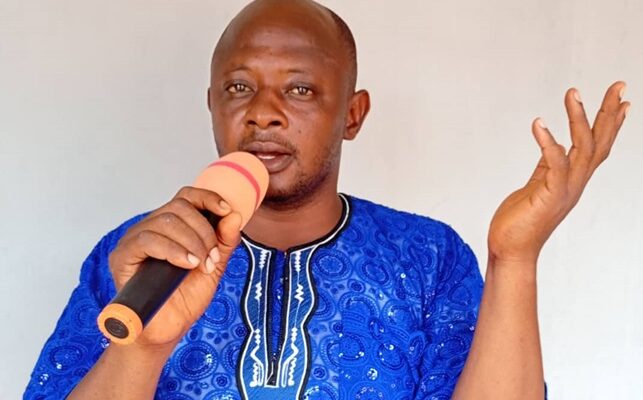
– Inah Boniface Ocholi writes from Ayah – Igalamela/Odolu LGA, Kogi state.
08152094428 (SMS Only)