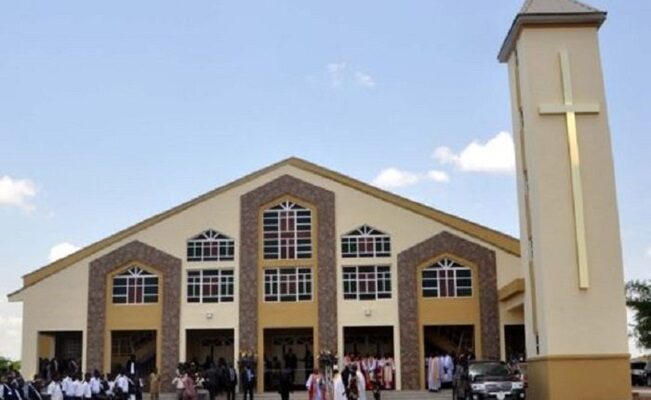

Across Nigeria, a quiet miracle unfolds each week beneath tin roofs and cathedral domes alike. Long before government welfare forms are processed or policy promises materialize, congregations are already moving. Bags of grain are lifted like offerings of survival. School fees are gathered as though redeeming a child’s tomorrow. Medical bills are settled through collective sacrifice. In these sacred spaces, the church has become more than a place of prayer. It stands as a living altar where compassion is translated into provision for the wounded edges of society.
This phenomenon carries the rhythm of revelation rather than mere charity. Within many communities, the church operates like a river flowing through dry land, irrigating places where institutional systems have receded. The small envelope placed in an offering bowl becomes a seed of restoration. From those seeds emerge textbooks for children, medicines for the sick, and food for the hungry. In moments when public structures seem distant, congregations embody the prophetic truth that mercy is strongest when it moves through people rather than policies.
The theological foundation for such action is unmistakable. The Epistle of James thunders across the centuries with a piercing declaration: “Faith by itself, if it is not accompanied by action, is dead” (James 2:17). Nigerian churches have received this scripture not as abstract doctrine but as divine instruction. Faith becomes incarnational. Prayer stretches its hands into practical relief. The gospel is not merely proclaimed from pulpits but demonstrated through rice bags, tuition support, and hospital visits. Belief breathes through benevolence.

Yet this rising tide of ecclesial compassion carries a prophetic message for the nation itself. Whenever churches assume the role of feeding the hungry, educating the forgotten, and healing the neglected, they unintentionally reveal the fractures within the civic architecture of care. The church becomes a watchtower, illuminating the distance between governmental promise and human reality. Like a lamp placed on a hill, its actions expose both hope and absence in the landscape of national welfare.
Still, beyond critique lies a deeper revelation. The church’s quiet ministry suggests that the future of humane governance may begin with the ancient language of compassion. Policy without empathy becomes machinery. But compassion organized into action becomes restoration. In the unfolding story of Nigeria’s struggle against poverty, congregations are demonstrating a prophetic pattern: when systems collapse, communities of faith rise like guardians of mercy, weaving a safety net from sacrifice, solidarity, and the enduring conviction that love must always move.
– Inah Boniface Ocholi writes from Ayah – Igalamela/Odolu LGA, Kogi state.
08152094428 (SMS Only)