
Kogi East senatorial district stands at a crossroads. Despite its size, population, and strategic location, the district remains in total darkness. The urgent need to connect Kogi East to Geregu Power Station via 132kV transmission lines is not merely a technical concern, it is a matter of economic development, national security, and regional equity.
1) Size, Population, and the Reality of Darkness.
Kogi East is a sizeable and densely populated region within Kogi State. The district is home to thousands of communities and a large agricultural base, supporting livelihoods across diverse sectors. Yet, the electricity reality on the ground tells a different story: large swathes of Kogi East experience recurrent power outages, unreliable supply, and extended periods without electricity. This situation cripples households, stifles small and medium enterprises, and undermines public service delivery, including healthcare and education. The mismatch between the district’s human and economic potential and the current energy outcomes is unsustainable and demands urgent redress.
Things to note:
a. Large population centers and rural communities with rising electricity demand.
b. Chronic lack of reliable power undermines economic activity and social development.
c. Energy equity is essential for national development; no region should be left in darkness.

2) The Missing 132kV Substation: A District Without Access.
Kogi East is currently the only district in the country without a functional 132kV substation. The one under construction since 2007 has long been abandoned, with materials vandalized and project momentum eroded. This is not merely a project delay; it is a structural policy failure that perpetuates energy insecurity in a region that should be at the forefront of national growth. The absence of a modern substation means:
Inadequate interconnection to the national grid.
Higher system losses due to reliance on less optimal voltage levels.
Increased vulnerability to outages and instability, especially during peak demand or adverse weather.
Diminished investor confidence, which slows industrial and commercial development.
Restoring momentum to this critical infrastructure project, or delivering an alternative, reliable 132kV solution, is essential to normalize power supply for Kogi East.
3) Kogi State’s Generation Capacity and the National Grid.
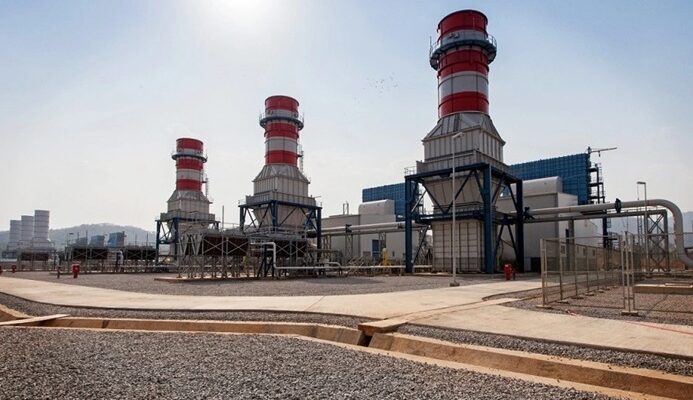
Kogi State hosts two significant power generation facilities: Geregu Power and the National Integrated Power Projects (NIPP). Combined, these installations contribute a substantial 800 MWh (megawatt-hours) to the National Grid. Yet, the distribution of this available generation to Kogi East remains severely constrained due to transmission and substation gaps.
This imbalance highlights a broader national issue: generation capacity must be matched with robust, reliable transmission infrastructure and local substations to ensure that generated power reaches end users. Without that alignment, the full potential of Geregu Power and NIPP cannot be realized within Kogi East, and the economic benefits downstream will be lost.
4) Strategic Gateway: Kogi East as a Corridor to the Southeast and South-South
Geopolitically, Kogi East serves as a gateway to the Southeast and South-South regions. Its location makes it an ideal corridor for energy transmission, allowing Geregu Power and NIPP output to reach rapidly growing markets along 330kV transmission lines to these geopolitical zones. Establishing a robust 132kV link to Geregu, complemented by a clear path toward higher-voltage regional interconnections, would:
Accelerate regional electrification in neighboring zones.
Provide a reliable backbone for industrial corridors and export-oriented activities.
Enhance resilience by diversifying supply routes and reducing single points of failure.
Strategic transmission planning should consider phased upgrades that leverage Kogi East’s position to accelerate cross-regional energy supply while ensuring local reliability.
5) A Pathway to Industrialisation and Sustainable Development
Opening up Kogi East to reliable electricity is a decisive step toward industrialisation. Energy availability is a primary driver of investment decisions, factory openings, and job creation. When households and enterprises in Kogi East have dependable power,:
Small and medium-sized enterprises can operate with predictable costs.
Agro-processing, manufacturing, and value-add industries can scale up.
Public services, schools, clinics, and government offices—can function more effectively, improving social outcomes.
A modern 132kV transmission link from Geregu Power to Kogi East is not merely a technical upgrade; it is a catalyst for regional development, reduced urban-rural disparities, and a more resilient national grid.
The Call to Action
To deliver these transformative outcomes, stakeholders must come together with urgency:
- Federal and State Governments: Prioritize and fund the completion of the 132kV substation for Kogi East or an equivalent alternative that guarantees reliable interconnection to Geregu Power.
Streamline project timelines, protect critical infrastructure from vandalism, and ensure sustained maintenance funding. - Transmission Company of Nigeria (TCN), Nigeria Independent System Operators (NISO) and DISCOs: Develop a concrete, time-bound plan for the 132kV link, including costed routes, material procurement, and contingency measures to protect against security and vandalism threats.
- Security Agencies: Provide targeted protection for energy infrastructure projects, ensuring that critical assets are safeguarded from acts of vandalism that derail nationwide development goals.
Local Communities and Civil Society: Engage in constructive oversight, demand transparency, and participate in workforce and vendor opportunities created by the project to ensure broad-based benefits. - Economic and Development Partners: Recognize the district’s potential as a strategic energy corridor and support financing structures, technical assistance, and policy incentives to accelerate completion.
Conclusion
The urgent need to connect Kogi East senatorial district to Geregu Power Station via 132kV transmission lines is about more than electricity. It is about unlocking a region’s potential, delivering equitable development, and strengthening national resilience. With Geregu and NIPP generating substantial power and Kogi East’s strategic position as a gateway to the Southeast and South-South, a modern, reliable, and secure transmission link is both feasible and imperative. The time to act is now.
– Comrade Opaluwa Eleojo Simeon
Criminologist, Security Analyst, and Public Affairs Commentator