
In Nigeria, we often celebrate those who rise through politics. But how often do we notice people who build brilliance quietly, outside the halls of power? People who decide policies, advise governments, and change lives consistently, effectively, and without fanfare.
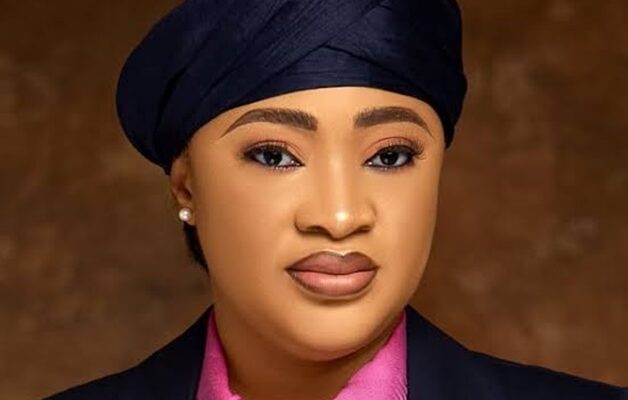
Dr. Victoria Hauwa Jatto, formally known as Dr. Victoria Hauwa Ibrahim, is an economist, academic, policy adviser, and development consultant. For more than a decade, she’s helped form policies, mentored young economists, and built platforms that empower communities.
But when I saw a recent political article targeting her, I had to ask: “when someone has spent years building excellence on the national and international stage, would they risk it all to serve in elected office?” I have personally followed her quiet accomplishments over the years; from her education and exposure to prestigious institutions, to her disposition and passion in mentoring and teaching.

Dr. Jatto currently serves as Deputy Director at the Raw Materials Institute, Nasarawa State University, Keffi, a visiting lecturer at Universidade Eduardo Mondlane in Mozambique, and an external examiner at the University of Dar es Salaam, Tanzania. Through these roles, she teaches the next generation of African economists and contributes to research that shapes development with so much impact.
I have often wondered, as others probably have, if someone with her career would step into the unpredictable world of politics. Would she leave the stability of her achievements for the uncertainty of elected office? This isn’t just a personal question; it shows a bigger hope that people like her, who have shown they can make a difference, might one day serve in government. If they do, the possibilities for change are immense.
Have you ever wondered why so few Nigerian professionals enter politics, even though it seems they’re made for this?
Perhaps it is because politics demands sacrifices that few other jobs require; it takes time, energy, and sometimes risks a person’s reputation. It comes with public criticism, constant negotiation, and the chance of being misunderstood. For someone who’s spent years building a career on merit, this can be daunting. But the rewards (not personal fame or money, but the ability to make real change) are enormous.
History shows Nigerian policy experts can step into political leadership and make a real impact. Nasir El-Rufai moved from leading major national reforms to become Governor of Kaduna State. Muhammad Sani Abdullahi (“Dattijo”) went from the United Nations and policy work into senior government roles in Kaduna State. Even Ngozi Okonjo-Iweala, though not elected, used her expertise to lead Nigeria’s finance and foreign policy before taking a top role at the World Trade Organization.
These examples show skilled professionals can change how the country is governed if they join politics. The question isn’t whether she can do it; she clearly can. The question is whether Nigeria’s system encourages talented people like her to step forward. Are we creating conditions that attract exceptional professionals into politics, or are we letting them stay on the sidelines, quietly changing the world in other ways?
What would it take for technocrats to fully commit to public service? And what would Kogi State, and Nigeria gain if they do?
This is a call to action. A call to leaders to build systems that value skill, integrity, and vision. National progress depends not only on who is willing to lead, but on whether society allows brilliance to serve the public good. I believe strongly in systems that work, and placing our best minds at the centre of governance can change our story for good.
If individuals like Dr. Victoria Hauwa Jatto ever choose to transition into active partisan politics, then I say congratulations in advance to the people of Kogi Central, and to Kogi State as a whole.
– Abdul Mohammed Lawal writes from Abuja.