
President Bola Ahmed Tinubu stands at a moment where silence is no longer neutral. Around the world, Nigerians are being reduced into easy symbols of ridicule, suspicion, and misrepresentation. From the BBC’s controversial documentary on the Late Prophet TB Joshua to the cold scrutiny Nigerians face at Canadian airports to the sweeping remarks made by Donald Trump and other Western figures, the Nigerian identity is under assault from multiple fronts. This attack is not just against a prophet or a church. It is against the dignity of a nation that foreign institutions now treat like a soft target. Tinubu must rise to defend every citizen—not out of sentiment, but out of national necessity.
In retrospect, the BBC documentary did not behave like investigative journalism. It behaved like an international verdict dressed in dramatic editing. It tried a dead man who cannot defend himself, and in the process, it punished the living who still see value, healing, and hope in the ministry he built. TB Joshua was a polarizing figure, but controversy is not a license to erase balance. SCOAN is one of Nigeria’s most visited spiritual institutions, a center that pulled global tourism, diplomacy, media, and humanitarian influence. Even now! A documentary that dismisses all this without cultural context, counter-balancing voices, or fair historical framing is not journalism—it is narrative warfare.
The global effects of such narratives are not theoretical. They have consequences for Nigerians in every sphere. Online, Nigerians are mostly sidelined, mocked as gullible or corrupt. At foreign borders, Nigerians face additional questions and suspicion because the world has been conditioned to see us through a negative frame. Even on major Western platforms, the Nigerian identity is repeatedly painted as troubled, chaotic, or unrefined. Every unbalanced documentary reinforces these stereotypes. Every unchecked narrative empowers immigration bias. Every damaging portrayal gives global systems an excuse to treat Nigerians as lesser citizens of humanity. This is no gainsaying that there are no bad eggs in Nigeria just like any part of the world.

This is why Tinubu must challenge the BBC documentary of January 8 2024. He must do so not to prove innocence or guilt, but to insist on fairness and balance—principles that every sovereign nation is entitled to demand. Other countries defend their people with fierce coordination. Britain protects its citizens aggressively. America defends its image with precision. China responds to the smallest reputational threat. Even smaller nations like Qatar and Turkey insist that global media respect their cultural frameworks. Nigeria cannot continue treating foreign narratives as unavoidable storms. A president who fails to defend the identity of his citizens leaves the nation exposed to repeated global humiliation.
Critics may argue that Late TB Joshua was surrounded by allegations, but the presence of allegations does not erase the need for balanced reporting. The world cannot appoint itself the final judge of Nigerian spiritual culture. Documentaries should ask questions, not dictate conclusions. They should present evidence, not pre-selected narratives. The BBC documentary omitted context, erased Nigeria’s cultural complexity, and weaponized pain without giving equal space to the millions whose lives were shaped positively by the prophet’s ministry. This imbalance is not just unfair—it is dangerous, because it shapes global perception of Nigerians as a people lacking agency, logic, or intelligence.
At all times, Tinubu must respond decisively. He must call for a review, issue a diplomatic objection, and if necessary, pursue legal action. This is not about suppressing journalism. It is about defending national dignity. A sovereign state cannot allow foreign bodies to rewrite its stories without challenge. If Nigeria accepts this silence today, the next attack will be harsher. The next portrayal will be more careless. The next documentary may target traditional rulers, scholars, innovators, activists, or political leaders. When a nation fails to protect one citizen, it weakens the protection of all citizens.
Nigeria must reclaim its image. That reclamation begins with leadership that is bold enough to demand respect. Tinubu must tell the world that Nigerians are not voiceless. He must remind global institutions that narratives about Nigeria cannot be shaped without fairness. He must draw a line that foreign media cannot cross without accountability. Silence will cost Nigeria more than reputation—it will cost the country the moral right to be taken seriously in global discourse.
This is not merely a dispute over a documentary. It is a battle for Nigeria’s soul, identity, and sovereignty. It is a fight for truth, balance, and standing dignity. It is a reminder that Nigerians are not global ornaments to be handled carelessly. They are citizens of a proud nation that demands respect—whether the subject is a prophet, a student, a traveler, an entrepreneur, or an ordinary young Nigerian seeking dignity abroad.
Tinubu must act now.
Not because TB Joshua was perfect.
Not because SCOAN is above scrutiny.
But because Nigeria deserves fairness.
And fairness is a right, not a favour.
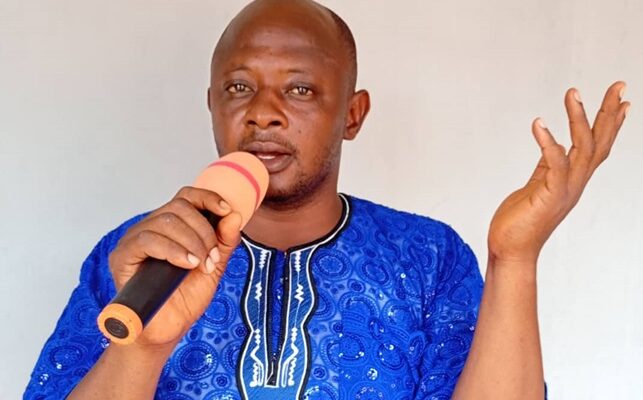
– Inah Boniface Ocholi writes from Ayah – Igalamela/Odolu LGA, Kogi state.
08152094428 (SMS Only)