Religion, by its very nature, accommodates constructive criticism. Religious scholars hold an important responsibility in guiding society and correcting individuals through the teachings of Islam. Their voices carry moral weight, and their words often shape the understanding and conduct of many followers. However, the manner in which criticism is delivered in Islam differs greatly from the approach often seen in politics.
In politics, criticism can sometimes be reckless and unrestrained. It is not uncommon for individuals to wake up one day and decide to discredit a political opponent or attack a leader simply because their personal expectations were not met. Political criticism, unfortunately, is sometimes driven by emotions, rivalry, or personal interests rather than sincerity and fairness.
Islamic teachings, however, emphasize a different standard. From what many scholars have said over the years, correction in Islam is guided by wisdom, sincerity, and evidence. Islam encourages advising people with good intentions and often in a manner that preserves their dignity. Public condemnation without proper evidence or without prior sincere counsel contradicts the spirit of Islamic ethics. When scholars criticize, they are also expected to present clear facts, balanced perspectives, and guidance rooted in Islamic principles.

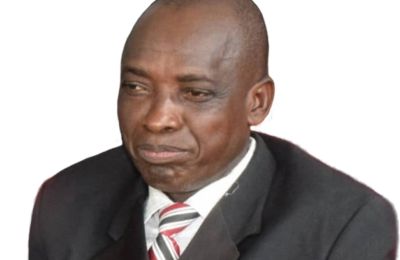
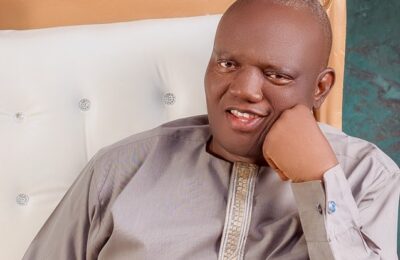
It was therefore surprising to hear an Ustaz pause what was supposed to be a Tafsir session of the Qur’an or Hadith and use the platform to criticize the performance of our House of Representatives member, Hon. Danga. Interestingly, while recounting his criticisms, the same Ustaz acknowledged the excellent performance of Hon. Danga in his previous position, an achievement that contributed significantly to his rise to his present office.
This raises a legitimate question: if the Ustaz was aware of these commendable achievements, did he ever use the same microphone during the campaign period to acknowledge them and encourage the public to support him? Many of us who regularly listen to his lectures cannot recall a time when he publicly commended Hon. Danga before he became a member of the House of Representatives. Yet today, he suddenly finds it convenient to recount those past achievements, perhaps to avoid being perceived as entirely unfair while proceeding to discredit his current efforts.
More concerning is that while assigning a “mark” to Hon. Danga’s performance, the Ustaz did not provide the basis for such an assessment. He did not mention the bills or motions sponsored by the lawmaker. He did not speak about the support given to education, the employment opportunities facilitated for constituents, or the empowerment programs that have benefited many people within the constituency. Instead, the audience was presented with a conclusion without the evidence that should justify it.
One must ask: is this the approach expected from a teacher? Is this consistent with the ethical method of correction encouraged in Islam? Does the chapter of the Qur’anic commentary being discussed concern the legislative responsibilities of a member of the House of Representatives?
Certainly, every citizen has the right to demand the dividends of democracy from those entrusted with leadership. Public office holders are accountable to the people who elected them. However, such criticism should be sincere, balanced, and based on verifiable facts.
It is also important to understand that no representative, no matter how dedicated, can satisfy every individual at once. Governance and representation involve managing diverse needs and expectations within limited resources and opportunities. Patience is therefore essential. What may not reach someone today may reach them tomorrow if Allah wills it.
Religious platforms should remain spaces for guidance, spiritual growth, and moral instruction, not tools for advancing personal grievances or political interests. Weaponizing Islamic lectures against individuals for personal reasons undermines both the credibility of the message and the sanctity of the platform.
Our religious scholars must continue to guide society with wisdom, fairness, and integrity. And when criticism becomes necessary, it should reflect the justice, sincerity, and balance that Islam teaches.
– Matthew Samuel (Tino) writes from Okehi LG.