
Nigeria’s democracy is learning to walk with a limp. At the summit of national discourse, where leadership should radiate moral gravitas, a darker force quietly shapes political behavior: bullying disguised as strategy, coercion masked as governance, and fear weaponized as a tool of public order. The most pressing truth, one Nigeria is reluctant to confront, is that political bullying has remained the ever changing grammar of power. In a nation that once aspired to be the continent’s democratic lodestar, intimidation continue to competes with ideas as the primary currency of influence, turning the democratic arena into a theatre where fear stands taller than the constitution. Just recently, a journalist was bullied in Edo State, a symbolic reminder that intimidation has seeped so deeply into the political bloodstream that even those whose duty is to illuminate truth are not spared. Yet, they cannot curb terrorism with such force but the weak.
The ripple effects of this coercive culture stretch from the highest offices to the smallest Municipal councils. Instead of leadership that persuades, Nigeria often witnesses leadership that pressures; instead of consensus building, there is consensus forcing. Public officers who should model ethical authority increasingly deploy tactics reminiscent of schoolyard tyrants, only now the schoolyard is the polity, and the victims are citizens, journalists, civil servants, and even party members. Democracy, in its purest essence, thrives on dissent. Yet in Nigeria dissent is increasingly treated as disobedience, punished with exclusion, veiled threats, or political banishment. The very architecture of democratic dialogue is being hollowed out from within.
At the community level, this bullying manifests as subtle but relentless coercion: the threat of withheld appointments, the quiet blacklist of supposedly uncooperative voices, the mysterious withdrawal of opportunities from those who refuse political homage. These actions, small in execution but seismic in impact, create what scholars call a culture of anticipatory compliance where people obey before they are even asked, simply to avoid the invisible whip. Like a river forced to bend by stones buried beneath its surface, Nigeria’s democratic flow is being redirected by forces the public rarely names aloud. The episode in Edo State reveals how journalists, the custodians of public enlightenment, now navigate their work with trepidation, aware that truth telling may provoke political wrath.

Yet the paradox stands tall. Nigeria is not devoid of democratic talent or intellectual brilliance. Scholars, civil society leaders, young innovators, and reformist politicians continue to illuminate pockets of the nation like lanterns in a darkened field. But light cannot overcome darkness when those holding the switchboards are committed to dimming every bulb that threatens their shadow. The result is a democracy that marches forward with borrowed legs: formal in structure but fragile in spirit, constitutional on paper but compromised in practice. Political bullying, left unchecked, transforms public service into a terrain where courage is punished and silence is rewarded.
The path to recovery demands more than electoral reforms or institutional fine tuning. It requires a moral excavation, a courageous confrontation with the psychology of power in Nigeria. When leadership becomes a contest of intimidation rather than ideas, the nation forfeits not merely political progress but moral legitimacy. A democracy encircled by fear is like a bird attempting flight with clipped wings, achieving motion without altitude and movement without freedom. Nigeria must therefore reclaim the soul of its leadership ethos, extinguish the subterranean culture of bullying, and restore the primacy of persuasion, accountability, and civic dignity. Only then can the nation’s democracy rise without stumbling into the shadows cast by its own leaders.
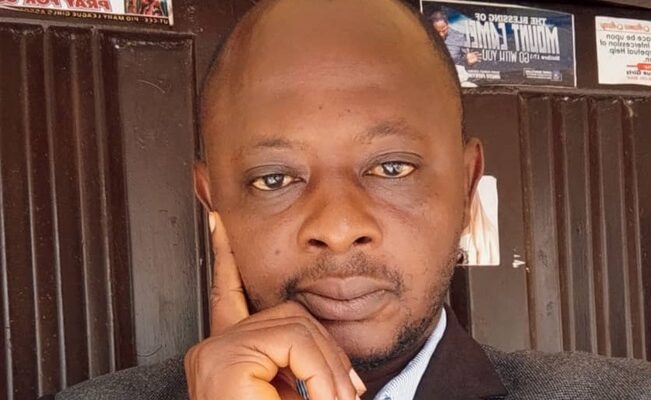
– Inah Boniface Ocholi writes from Ayah – Igalamela/Odolu LGA, Kogi state.
08152094428 (SMS Only)