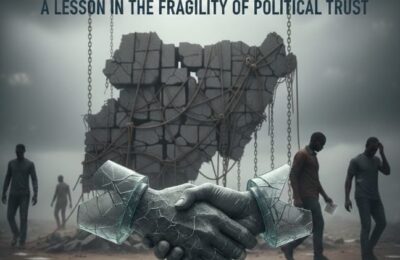
In the high stakes poker game of global brinkmanship, where Donald Trump slaps down ultimatums like a dealer flipping aces, his latest tango with Iran over its nuclear ambitions feels like a powder keg wired for detonation. As Iran’s foreign minister heads for emergency talks and Trump growls warnings of “bad things” if no deal emerges, Washington flexes its military muscle in the Gulf, stacking warships, drones, and strike capacity as bargaining chips. To me, this is classic Trump theatre: bluffing with bombs on the table to force concessions on Iran’s nuclear program and missile architecture. But this dance risks igniting a regional inferno.
For Nigeria, the danger is not distant. It is direct. It is strategic. It is existential.
Another Middle East proxy explosion would ripple through oil markets, destabilize global energy flows, and divert international security focus from Africa’s bleeding wounds. A world consumed by Iran, Israel, and Gulf escalation has little bandwidth for Boko Haram, ISWAP, Lakurawa, or Nigeria’s expanding bandit hydra. We would pay the price in silence, neglect, and abandonment.
The tempo of this diplomatic waltz is accelerating. Tehran threatens regional war if attacked, while simultaneously signaling readiness for “fair negotiations.” Trump escalates pressure, resurrecting the spirit of his first-term maximum pressure doctrine, hoping to coerce Iran into curbing uranium enrichment and restraining its proxy networks from Yemen to Lebanon. But this macho choreography ignores the blast radius of miscalculation. One wrong move could unleash proxy swarms across shipping lanes, choke the Red Sea, and spike global oil prices overnight.
Nigeria cannot absorb that shock.
Our economy breathes through crude oil. Our security sector bleeds resources fighting insurgents, kidnappers, and jihadist hybrids. Our budgets already hemorrhage under the weight of internal war. Another proxy crisis would drain international aid, fracture global focus, and starve our counterterror systems of the support they desperately need.
History already wrote the warning in blood. The 2018 collapse of the nuclear deal did not contain Iran. It accelerated enrichment, militarized proxies, and expanded regional instability. Now, as talks reopen under pressure, the danger is that bluff becomes bombs, and diplomacy collapses into retaliation spirals that echo Iraq’s long shadow.
For Nigeria, this is not abstract geopolitics. It is operational reality.
We know what global chaos does to local extremism. Disorder abroad feeds disorder at home. When superpowers destabilize regions, extremist ecosystems thrive. Our own experience with Boko Haram factions proves this: dialogue, fused with force, can fracture alliances and recover hostages, but chaos fuels recruitment, radicalization, and legitimacy for violent actors.
Trump’s hardline posture has its logic. Iran’s missile networks and proxy militias demand containment. Negotiations without pressure are illusions. But pressure without restraint becomes provocation. Bombast without coalition becomes isolation. Coercion without diplomacy becomes combustion.
The question is not strength versus weakness. It is control versus collapse.
Is this calculated coercion to force a better deal, or reckless roulette that could vaporize diplomacy? The answer matters deeply for Nigeria. As ISWAP and Lakurawa hybrids already draw foreign military attention on African soil, we need global focus sharpened on Africa’s security crisis, not consumed by another Middle Eastern abyss.
The path forward demands discipline, not drama.
Trump should fuse pressure with structure: clear nuclear red lines, defined diplomatic off ramps, multilateral buy in, and enforceable proxy restraints. Threats must be paired with exits. Power must be matched with pathways.
Nigeria must mirror this doctrine at home: military dominance against violent groups, intelligence driven operations, controlled dialogue channels, economic stabilization of vulnerable regions, and relentless diplomatic pressure to keep Africa from becoming collateral damage in global power games.
Because proxy wars do not stay regional. They metastasize.
In the end, as Trump’s nuclear tango teeters between bluff and bombs, Nigeria must raise its voice with clarity and force: African security cannot remain a footnote in superpower theatrics. Another proxy mess would not be a distant tragedy for us. It would be economic evisceration and security suicide.
This dance may end in a deal or disaster. But Nigeria cannot afford either outcome to be decided without its interests on the floor.
Not this time. Not again.
– Inah Boniface Ocholi writes from Ayah – Igalamela/Odolu LGA, Kogi state.
08152094428 (SMS Only)