
Forgiveness is often presented as the highest moral virtue, a spiritual summit that every wounded heart must eventually climb. Religious teachings, cultural expectations, and popular psychology frequently describe forgiveness as the immediate antidote to pain. Yet this simplified narrative hides a dangerous misunderstanding. When forgiveness is reduced to a quick emotional gesture rather than a deliberate process of truth and healing, it can deepen wounds rather than mend them. The real challenge is not whether forgiveness is good. The challenge lies in understanding its two sides, both of which must exist together if forgiveness is to restore rather than destroy.
On one side stands the inner work of release. Forgiveness in its healthiest form liberates the injured person from the corrosive weight of resentment. Anger that remains unprocessed can function like acid stored in a fragile container. Over time it erodes the very vessel that holds it. Psychologists often note that chronic resentment distorts perception, drains emotional energy, and traps individuals inside the memory of the offense. In this sense forgiveness becomes an act of self preservation. It is less about excusing the offender and more about refusing to let injury dictate the future.
“Let all bitterness and wrath and anger be put away from you.”
These words capture a principle that appears across both spiritual traditions and modern psychology. Forgiveness loosens the grip of past injury on the present moment. It clears emotional space in which peace can grow again.

Yet the second side of forgiveness is frequently ignored, and when it is ignored, forgiveness becomes distorted. True forgiveness does not erase accountability. Mercy without truth is not healing. It is avoidance. Relationships that have been damaged by betrayal, abuse, or deception cannot simply return to normal through words alone. Trust is not restored by declarations. It is rebuilt through consistent actions, transparency, and time. When individuals are pressured to forgive quickly without acknowledging harm, forgiveness becomes a mask that hides unresolved wounds.
“The truth shall make you free.”
This principle reminds us that healing does not grow in silence or denial. Authentic forgiveness must coexist with honesty about what occurred and with clear boundaries that protect dignity.
Consider forgiveness as a bridge suspended between two cliffs. One side represents the release of bitterness. The other represents the recognition of truth and responsibility. Remove either side and the bridge collapses. If someone holds tightly to resentment, they remain imprisoned by the offense. But if they abandon truth in the name of kindness, they risk returning to the same cycle of injury. Forgiveness therefore requires both courage and discernment. It is neither revenge nor naïve reconciliation. It is the deliberate decision to move forward without surrendering clarity.
The danger arises when society promotes only one side of the bridge. Some voices insist that forgiveness must happen instantly, as though emotional wounds heal like switches that can be flipped. Others reject forgiveness entirely, believing that justice requires permanent hostility. Both extremes misunderstand the nature of healing. Forgiveness is not amnesia, and it is not surrender. It is the slow reconstruction of the human spirit after damage.
When practiced correctly, forgiveness becomes something remarkable. It frees the wounded without erasing the truth of the wound. Like a scar that forms after deep injury, it does not pretend the harm never happened. Instead it marks the place where pain once lived while proving that life continued beyond it. In that quiet transformation, forgiveness reveals its real power. It does not rewrite the past. It reshapes the future.
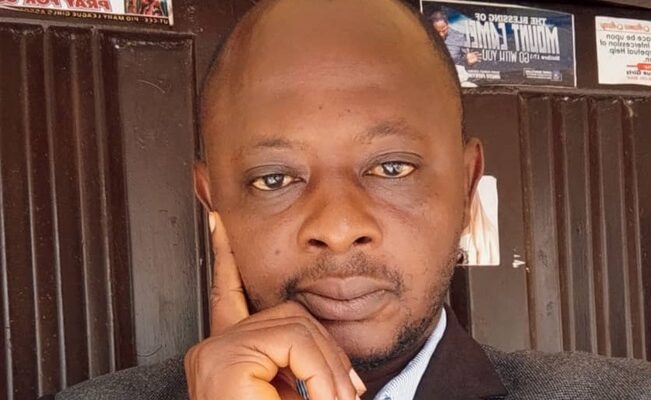
– Inah Boniface Ocholi writes from Ayah – Igalamela/Odolu LGA, Kogi state.
08152094428 (SMS Only)