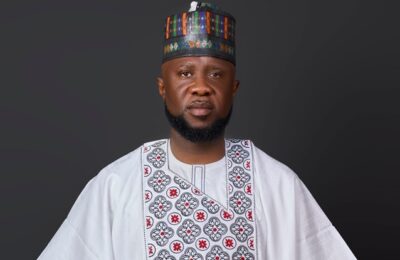

In the high-stakes theater of Kogi politics, the “Okun Question” has often been dismissed as a recurring echo of entitlement. But a new, piercing discourse emerging from the Patriots Platform—spearheaded by legal luminary and community advocate Babatunde Irukera—suggests that this time, the quest for the Lugard House is not about a “turn,” but about a total structural transformation.
The conversation is shifting from the vanity of tribal identity to the cold, hard reality of communal survival.
A People Under Siege

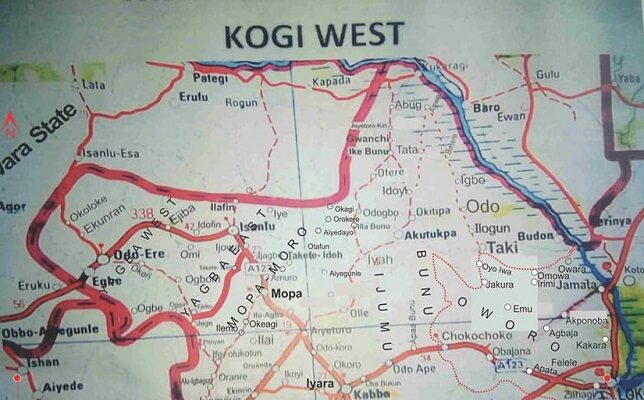
The backdrop to this political awakening is grim. For the first time in history, Okunland—the intellectual and agrarian heartbeat of Kogi West—is describing itself as a territory “under siege.”
“Self-interest will be no interest when society is lost,” Irukera warns, painting a haunting picture of internal displacements. Ancestral lands are being ceded to fear and insecurity, turning mansions into “fortresses” that are, in essence, comfortable prisons. This “siege” has redefined the governorship race: it is no longer just about who controls the budget, but who can guarantee the liberty to walk one’s own soil.
The Mirror Test: Ten Critical Questions
At the heart of this movement is a call for a Demographic and Dynamics Poll across Okunland. The objective? To move beyond political guesswork and confront the internal contradictions of the Okun people. The discourse poses ten “fundamental” questions that challenge both leaders and followers:
The Consensus Gap: Is there a true shared interest, or are the people “fundamentally and irreversibly fragmented” by geography and ego?
The Leadership Paradox: Do followers abandon common goals the moment their specific “leader” takes a different, more personally lucrative path?
The Follower’s Role: Are the followers any different from the leaders, or are they simply “personal interest pursuers in waiting”?
These questions suggest that the failure to clinch the governorship in the past may not have been a theft by outsiders, but a “leakage” from within.
Beyond the “Southwest Presidency” Leverage
The feature of this current political cycle is the proximity of Okunland’s kinsmen to the federal seat of power. Yet, the Irukera discourse issues a stern warning against “opportunistic windows.”
The argument is clear: Basing an aspiration solely on the current Southwestern presidency or having “people close to the top” is a fragile strategy. It is “leverage that is not considered a relevant factor in quality governance.”
Instead, the call is for “German Governance”—a metaphor for a standard of excellence so high that it becomes undeniable. The aspiration is that “Okun governance was what the state was missing, and more importantly, what the state needs.”
The “Patriots” Path: Principles Over Persons
The discourse calls for a radical departure from partisan “political correctness.” The roadmap for success, as outlined to the Patriots, involves:
Accountability as a Pathway: Leaders should not get support because they are in a position; they should be in a position because they earned support through fidelity to set principles.
Pan-Kogi Vision: The Okun quest must be an olive branch to the East (Igala) and Central (Ebira), proving that an Okun governor is a victory for the entire state’s advancement, not just a localized ethnic triumph.
The Identity Shift: Moving from “following persons” to “pursuing ideals.”
The Verdict
As the energy for the Okun governorship reaches a fever pitch, the fundamental question remains: Is this a concrete plan or a high-octane desire?
The Patriots Platform has ignited a spark of introspection. The consensus is that if the Okun people do not first “emancipate” themselves from internal fragmentation and personal-interest politics, no amount of federal leverage will deliver a sustainable victory.
The journey to Lugard House, it seems, must first begin with a journey into the Okun soul.