
In the search for transformative presidents on the African continent, the most difficult truth is also the most overlooked: leadership reflects the society that produces it. The persistent disappointment with those in power is not merely a failure of individuals at the top, but a mirror held up to deeper social values, civic habits, and moral compromises. Until there is a profound shift in how citizens think, learn, and judge public life, the expectation of exceptional leadership will continue to outrun reality.
Throughout Africa, the conversation about governance often settles on institutions, constitutions, and electoral systems. Yet these frameworks, however well designed, cannot rise above the ethical and intellectual soil in which they are planted. Where political culture is shaped by patronage, ethnic allegiance, and the pursuit of immediate gain, leadership becomes an extension of those impulses. Elections, in such settings, are less a contest of ideas than a negotiation of identities, producing outcomes that echo the limitations of the electorate itself.
Education remains the quiet fault line in this equation. Not merely the acquisition of certificates, but the cultivation of judgment, discipline, and civic responsibility. Many systems still prioritise rote learning over critical inquiry, and compliance over creativity. Without a citizenry trained to question authority, evaluate competence, and demand accountability, democracy risks becoming ceremonial rather than substantive. A nation cannot consistently produce visionary leaders if it does not first nurture discerning citizens.

There is also the matter of moral anchoring. Faith, widely professed throughout the continent, often occupies a visible place in public and private life. Yet its translation into ethical governance is uneven. The language of devotion frequently coexists with the practice of impunity. What is required is not the performance of religiosity, but the internal discipline it ought to inspire: restraint in power, honesty in stewardship, and reverence for justice. Without such grounding, authority easily becomes a tool of personal enrichment rather than public service.
Citizens, too, are implicated in this cycle. The normalisation of vote buying, the defence of misconduct along ethnic or partisan lines, and the quiet acceptance of underperformance all contribute to the reproduction of weak leadership. In this sense, the ballot becomes less an instrument of change and more a ritual that sustains the status quo. A political culture that rewards expediency over principle cannot reasonably expect leaders who embody the opposite.
A different outcome is possible, but it demands more than periodic elections or rhetorical commitments to reform. It requires a deliberate reordering of values: education that sharpens the mind and steadies the conscience, institutions that enforce accountability without fear or favour, and a citizenry willing to prize integrity above immediate advantage. Only then can the mirror begin to reflect something new, and the long deferred promise of principled presidential leadership move closer to fulfilment.
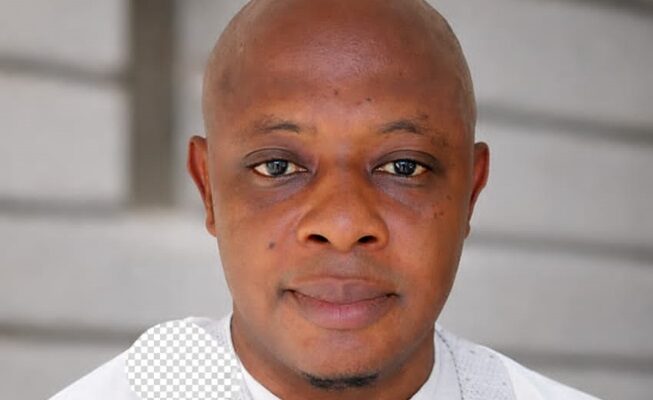
– Inah Boniface Ocholi writes from Ayah – Igalamela/Odolu LGA, Kogi state.
08152094428 (SMS Only)