
By Musa Bakare.
Transformational reforms do not bloom anywhere within a four year political cycle. Structural change is not a sprint; it is a test of endurance. As Nigeria under the leadership of President Tinubu moves through one of the most consequential reform periods in its history, it is becoming evident that the true measure of the reforms and political reengineering will not be seen in daily headlines, but in the cumulative impact of eight years.
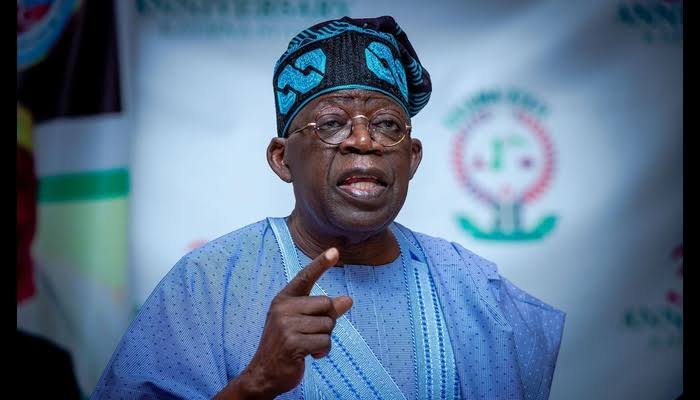
President Tinubu’s leadership of Nigeria is not designed for psychopathic applause; it is designed for correction. When he assumed office in 2023, he inherited a system weighed down by fiscal leakages, fragile institutions, subsidy distortions, infrastructure gaps, and a national psyche shaped by policy hesitation. Any leader who attempts deep restructuring under such conditions must first face resistance before recognition.

The first phase of serious reform is disruption. It is uncomfortable but necessary. Fuel subsidy removal, exchange rate unification, revenue restructuring, and fiscal tightening were not cosmetic decisions; they were structural interventions meant to reset Nigeria’s economic foundation. Such actions rarely deliver instant relief. They prepare the ground for stability, growth, and investor confidence.
Next comes stabilization, the quiet phase where systems begin to adjust. Markets recalibrate. Institutions realign. Confidence slowly returns. This stage lacks drama but determines success. Countries that retreat from reforms collapse back into crisis; those that stay the course emerge stronger.
The final phase is maturation, the stage Nigeria is approaching but has not fully reached. This is when long term policies begin to produce visible dividends: stronger industry, job creation, currency stability, infrastructure expansion, and renewed global credibility.
History shows that leaders who reshape nations succeed not because they ruled briefly, but because they governed long enough to see their ideas take root.
President Tinubu’s governing philosophy has always leaned toward long range strategy. His Lagos record illustrates this pattern; institutional reforms introduced during his tenure matured years later and transformed the state’s economic resilience. That precedent suggests his national reforms will ultimately be judged not by early turbulence, but by lasting outcomes.
Nigeria now stands at a crossroads. One direction leads backward to populist shortcuts and policy reversals. The other leads forward through discipline, institutional strength, and strategic patience. The deciding factor is time, and Nigerias must allow reforms to mature before passing verdict.
The infrastructure being financed, fiscal systems being redesigned, and investment frameworks being negotiated today are not short term politics; they are long term architecture. Their success will not be measured by applause, but by endurance.
The fullest expression of President Tinubu’s reforms will therefore be visible after a complete eight year cycle, as disruptions are evidently beginning to settle, stabilization is taking hold, and maturation are delivering results. At that point, judgment will shift from speculation to evidence.
In 2031, as Nigeria sustains its reform path, the closing years of this administration will show what deliberate, patient, and strategic leadership can achieve.
In nation building, results does not come at the beginning. It comes at the end. And for Nigeria, that end, 2031 is where the real story starts.
– Musa Asiru Bakare
Foundational Member, APC | Political Analyst
Lokoja, Kogi State.