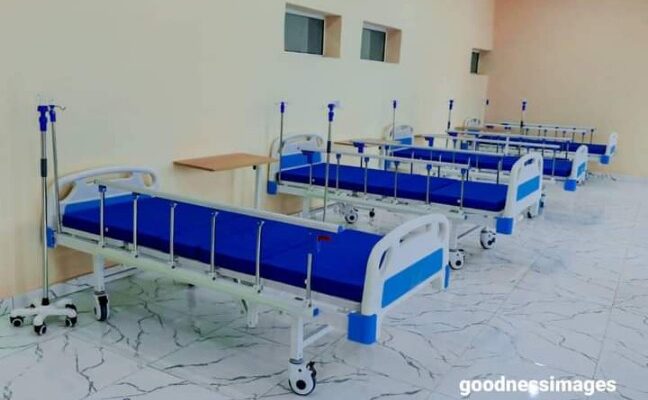

Primary healthcare is meant to be the closest and most reliable point of care for ordinary citizens. It is where pregnant women seek antenatal services, where children receive routine immunization, and where preventable illnesses are meant to be detected early. Yet across many communities, especially at the grassroots, primary healthcare centres exist more as symbols on signposts than as living institutions. The pressing question today is not whether these facilities exist on paper, but whether they are functional in reality.
In many rural and semi urban communities, primary healthcare centres open irregularly, operate with skeletal staff, or lack basic drugs and equipment. A centre without a nurse, a midwife, essential medicines, or electricity cannot meaningfully serve its purpose. For residents, this often means resorting to self medication, unregulated chemists, or long journeys to distant hospitals. What should be a first line of care becomes an afterthought, and minor health issues escalate into life threatening conditions.
The consequences of a weak primary healthcare system are far reaching. Maternal and infant mortality rates rise when expectant mothers cannot access timely and skilled care. Preventable diseases spread when immunization programs are inconsistent. Outbreaks that could have been contained early become public health emergencies. In effect, the failure of primary healthcare quietly transfers pressure to secondary and tertiary hospitals, overstretching an already fragile health system.

Globally, successful health systems treat primary healthcare as the foundation, not the leftovers. Local governments are expected to ensure regular staffing, transparent funding, community oversight, and routine maintenance of facilities. Where this model works, communities trust the system, health outcomes improve, and public confidence in governance is strengthened. Where it fails, health becomes a private struggle rather than a public responsibility.
The challenge is not always the absence of policies but the gap between policy and practice. Budgets are announced, programs are launched, and committees are formed, yet many centres remain locked or poorly equipped. Accountability at the local level is often weak, and citizens are rarely informed about what resources are allocated to their health facilities or how those resources are used.
Primary healthcare should not be a forgotten promise. It is a moral and administrative obligation of governance at the grassroots. Reviving it requires more than speeches. It demands political will, community involvement, and consistent monitoring. Until primary healthcare centres are alive and functional in our communities, the question will remain unanswered, and the cost will continue to be paid quietly by the most vulnerable.
– Inah Boniface Ocholi writes from Ayah – Igalamela/Odolu LGA, Kogi state.
08152094428 (SMS Only)