
Nigeria’s crisis is no longer just about broken systems or failed leadership; it is about broken people leading broken people. From insecurity to poverty, from ethnic suspicion to religious violence, the nation bleeds openly. Yet history shows that societies do not heal through unscarred saviours but through wounded healers. I mean men and women who have suffered the pain of the people and refused to become bitter. As Nelson Mandela once said, “There is no easy walk to freedom anywhere.” Nigeria is at that difficult junction where only leaders, thinkers, clerics, and citizens who understand pain from inside can prescribe genuine healing.
The tragedy is that Nigeria often silences or sidelines its wounded healers. Survivors of terrorism, former prisoners of conscience, victims of political betrayal, pastors who have buried church members, teachers who have taught under gunfire, and journalists who have faced threats are rarely invited into serious policy conversations. Instead, power circulates among those insulated from consequences. Chinua Achebe warned decades ago that “The trouble with Nigeria is simply and squarely a failure of leadership,” but the deeper failure today is the refusal to listen to those whose wounds have given them moral clarity.
The theologian Henri Nouwen sharpened this truth when he wrote, “Ministers must care not only for the wounds of others, but for their own wound which is often the deepest” (Nouwen, 1979). This raises an uncomfortable but necessary question for Nigeria: who heals the healers? In a country where true pastors, imams, teachers, and community leaders absorb the grief of society daily burying victims of violence, counseling the traumatized, standing between despair and hope, the emotional and spiritual cost is rarely acknowledged. When healers are left unattended, exhaustion mutates into performance, compassion thins into routine, and calling is slowly replaced by survival.

Yet Nigeria’s religious crisis is not only about neglected healers; it is also about distorted shepherding. Many pastors are no longer helping matters. Faith has been repackaged as spectacle, and the pulpit has been turned into a marketplace of exaggeration. Vulnerable people are fed stories of “millions received,” “instant breakthroughs,” and staged prosperity, while words that build faith, patience, repentance, and endurance are sidelined. As Dietrich Bonhoeffer warned, ‘“Cheap grace is the preaching of forgiveness without repentance”_ and Nigeria is paying dearly for a gospel that promises riches without resilience, victory without virtue, and blessings without burden. In chasing applause and appearances, some healers have abandoned honesty, leaving the wounded confused, disillusioned, and spiritually poorer.
Across history, the wounded healer has always been central to national rebirth. Martin Luther King Jr., writing from a Birmingham jail, reminded the world that “Injustice anywhere is a threat to justice everywhere.” His prison scars strengthened his moral authority. In South Africa, Mandela’s 27 years in prison did not harden him into vengeance but refined him into reconciliation. Nigeria, by contrast, often rewards loud loyalty over lived sacrifice, forgetting that healing authority flows from empathy, not entitlement.
Nigeria does not need louder miracles; it needs truer ministry. A healed nation requires healed shepherds. That is leaders humble enough to admit their wounds, courageous enough to seek help, and faithful enough to speak truth even when it does not sell. Until healers are healed and truth is restored to the center of faith, the cycle of spiritual injury will continue. A nation already wounded cannot afford wounded healers pretending to be whole.
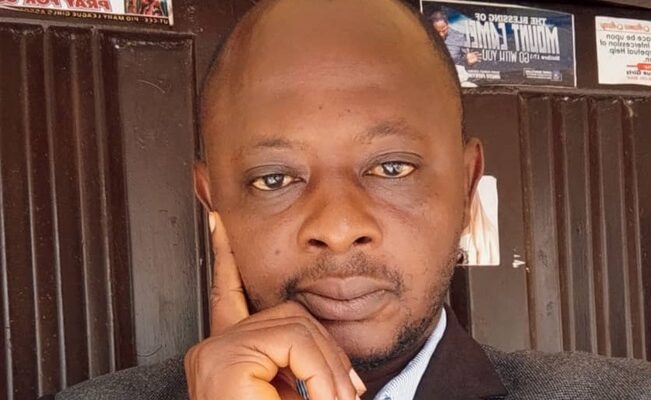
– Inah Boniface Ocholi writes from Ayah – Igalamela/Odolu LGA, Kogi state.
08152094428 (SMS Only)