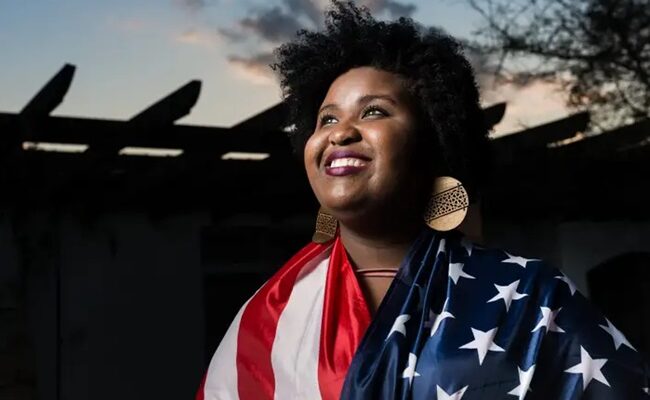

Any recent arrival to the country wants to make it big. Hopes, dreams, and aspirations are the foundation of what makes America great. Most leave their entire lives behind in the hopes of a better future, and it’s definitely a real possibility, although with a few pretty significant caveats.
It can get pretty rough when you are just starting. You’ll definitely need some money, but your financial credibility is reset to zero. Nothing counts: not your credit history, not your background, nothing. And that could prove tough, especially for the African immigrants.
Among Nigerian-born immigrants, 64% hold a bachelor’s degree or higher — more than double the rate in the broader U.S. population. Yet, they face the same high levels of scrutiny from financial institutions. That’s why this article is gonna deep-dive into how African immigrants navigate the US realities.

Why the U.S. Credit System Starts Everyone From Zero
The credit score system, in many ways, is a closed, secular ecosystem. It doesn’t communicate with its counterparts abroad, doesn’t recognize foreign financial histories, and doesn’t make exceptions for credentials, savings, or prior borrowing records from other countries.
The way it works is fairly simple. A U.S. credit score — ranging from 300 to 850 — is based on activity reported by American lenders and financial institutions to one of three major credit bureaus: Experian, Equifax, and TransUnion. No U.S. activity means no file. No file means no score. And no score means being treated, by default, as a financial unknown.
The timeline compounds the problem. Once a credit file is opened with at least one bureau, it can take up to six months of payment history before you can get a score. Then, you have to reach a favorable enough score to get good terms on loans. This can take anywhere from 18 to 24 months.
There are certain niche solutions, such as borrowing platforms, that translate foreign credit histories into a format that US lenders can evaluate. But their availability is limited, and most African immigrants have to build themselves up from nothing.
Opening a Bank Account
The path towards building your creditworthiness is rocky. There are plenty of things you have to endure. But the journey is well-documented, and there’s a template any immigrant can follow.
1. Opening a Bank Account
Lenders use bank accounts for many purposes: assessing spending patterns, transferring approved funds, and collecting repayments. Without access to your bank statements, most lenders will consider you to be too high-risk. Opening a checking or savings account within the first weeks of arrival is the single most impactful early step.
2. Getting a Secured Credit Card
A credit card is an extremely convenient way to borrow, yet you won’t have access to it if you arrive in the country. Instead, you could get a secured card, which requires an upfront cash deposit and has a lower credit limit. The deposit protects the lender, making approval far more accessible.
3. Credit-Builder Loans
Available through some credit unions and community banks, these products don’t function like traditional loans. The borrower makes fixed monthly payments, and those payments are reported to the bureaus. It’s a disciplined, low-risk entry point for someone starting from zero.
4. Authorized User Status
If a trusted family member or friend already holds a U.S. credit card in good standing, being added as an authorized user allows their account history to appear on the immigrant’s credit report. The primary cardholder remains responsible for payments, so trust is essential on both sides.
5. Paying Rent and Utility Bills
Credit bureaus don’t get reports on these payments quickly, but they do appear on your credit file. They can even affect your score. For immigrants making regular payments from day one, this is an often-overlooked way to accelerate the process without taking on additional debt.
Financial survival
The financial integration process is difficult for nearly every immigrant who goes through it. But arriving and moving beyond survival requires something the system doesn’t automatically provide: a track record it recognizes.’
Despite structural disadvantages that would deter many, African immigrants are among the most entrepreneurially active communities. What makes that progression harder than it needs to be is the compounding effect of starting without institutional trust. Limited generational wealth, cautious attitudes toward traditional banking shaped by parental experience, and steeper barriers to credit approval don’t automatically resolve themselves in the second generation. It’s a dynamic that Latoria Williams, founder of 1F Cash Advance, understands from the inside. As a second-generation immigrant who built a nationally recognized short-term lending platform, she has seen both sides of the financial access gap.
“For immigrants and their children, the challenge isn’t ambition or work ethic — those are rarely in question,” Williams says. “The challenge is trust. Banks don’t extend it easily to people without credit histories, and credit histories take years to build. Building a business is hard for anyone. When your family didn’t have access to the kind of credit, capital, or connections, you’re starting further back, even if you were born here. Every account opened, every payment made on time, every credit line managed responsibly, all these aren’t simple financial transactions. That’s the file the system uses to assess your own trust factor. Build it deliberately, and it becomes one of the most durable assets you own.”
Building Credit Score
As is evident to most, building your credit takes time. Plus, no one rules out emergencies. You may need to pay rent in 30 days, make a security deposit before signing a lease, or urgently repair your vehicle. In all such cases, short-term borrowing is a valid solution.
The starting point matters enormously here. If you don’t have a bank account, you’ll typically find it difficult to get approved at favorable terms, and lenders are likely to reject such applications. You may have to deal with high APRs or even provide collateral to get the money.
If you can’t open an account quickly enough, there are other options. You can get payday loans up to $1,000, depending on income and state regulations. Pawn shop loans offer another route, allowing one to receive a portion of the value of personal belongings, with repayment typically required within 30 to 60 days.
But if you do get an account, you can access personal loans with amounts from $1,000 to $50,000. The repayment periods range from 12 to 84 months, and interest rates are significantly lower than those on no-account alternatives.
Looking To The Future
In 2025, immigrants founded nearly 46.2% Fortune 500 companies, collectively generating $8.6 trillion in revenue and employing over 15.4 million people worldwide. A foreign-born entrepreneur owns every fifth US business. Yet, all of them likely faced the same financial struggles when coming over.
But the system itself can be learned. New generations have better means to navigate the system and get where they want to go faster. Ambition can help drive the journey forward. The only thing to keep in mind is this: it’s not your story that starts at zero, just your credit score.