
By Dr. Tokula Matthew
Politics, if we are honest, has a short memory. Too short. It forgets those who stood when it was inconvenient to stand. It forgets the voices that didn’t echo the crowd but shaped it.
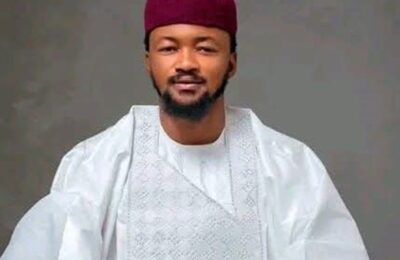
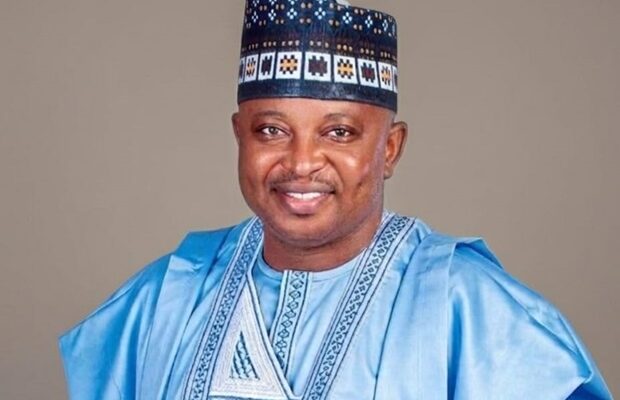
So let’s talk about Hon. Matthew Ochada. HMO, as he is widely known. Not as a slogan. Not as a campaign poster. But as a political constant in an environment that is anything but constant.

You see, loyalty in Nigerian politics is a tricky currency. Everyone claims it. Few actually spend it. Fewer still invest it over time without demanding immediate returns. HMO belongs to that shrinking category. The kind that stays visible even when there is nothing obvious to gain. The kind that speaks when silence would be safer.
And let’s not romanticize it. Being a vocal loyalist of the APC in Kogi is not exactly a walk in the park. It comes with heat. Real heat. Social media attacks. Coordinated pushback. The occasional insult that goes beyond politics and becomes personal. Yet, HMO has stayed in that arena, not as a spectator, but as one of its most consistent defenders.
We often celebrate electoral victories without interrogating the machinery behind them. The foot soldiers. The communicators. The ones who shape narratives long before ballots are cast. HMO has been one of those unseen engines. A media strategist who does not just push content, but absorbs pressure. That is a role many enjoy from a distance, but few endure up close.
Then there is OMALA DECIDES. At first glance, it looks like just another political platform. But spend time observing it and you will notice something else. It is a meeting point. A digital town square. Messy at times. Noisy, yes. But alive. Ideas clash there. Opinions breathe there. In a local political space where engagement can easily become passive, that kind of initiative is not small. Kudos to him for birthing such a medium that has brought our people together.
Politics is not just only about who has capacity. It is also about who has been present. Who has shown up repeatedly. Who has taken risks when outcomes were uncertain.
HMO is not perfect. No politician is. But there is a pattern you cannot ignore. He does not disappear between election cycles. He does not suddenly remember the people when forms are picked. He has been in the conversation, shaping it, defending it, sometimes even taking the blows for it even without political rewards. His standing for the party is legendary.
So the question is simple, but not easy. What do we do with loyalty when we see it? Do we reward it? Or do we sideline it in favor of louder, newer, more convenient options?
Because let’s be frank. Nigerian politics has a habit of celebrating latecomers. The ones who arrive at the peak and claim the journey. It sidelines those who built the road. And then we wonder why loyalty is dying. Why conviction feels transactional.
Now HMO has indicated interest in representing Omala at the State House of Assembly. That move is not surprising. In fact, it feels like a natural progression. The real issue is not his ambition. It is our response to it.
Will Omala choose familiarity backed by consistency? Or gamble on uncertainty packaged as change?
This is not just about one man. It is about a political culture. A test of whether contribution still counts for something. Whether standing firm, even when it is uncomfortable, still has value in our collective decision making.
And yes, this is an appeal. But not the desperate kind. It is a call for reflection.
Party loyalists, stakeholders, and everyday voters in Omala must ask themselves a hard question. Not who is popular. Not who is loud. But who has been there.
Because in the end, representation is not just about promises. It is about history. About pattern. About evidence.
HMO has paid his dues. He has built a case over time. Quietly at first. Then consistently. Now visibly.
Maybe it is time to listen. Maybe it is time to respond. Or maybe, just maybe, it is time to prove that loyalty in Omala still means something.
– Dr. Tokula Matthew writes from Abuja, Nigeria.