
Nigeria stands at a critical juncture where the scale and persistence of violence have drawn increasing international concern, yet the dominant accounts surrounding the crisis remain contested and, at times, oversimplified. Reports of mass killings, displacement, and targeted attacks, particularly in vulnerable rural communities, have intensified calls for global intervention. However, the framing of this violence solely through the lens of religious persecution risks obscuring a more complex reality shaped by governance failures, competition over land, criminal insurgency, and deepening social fragmentation.
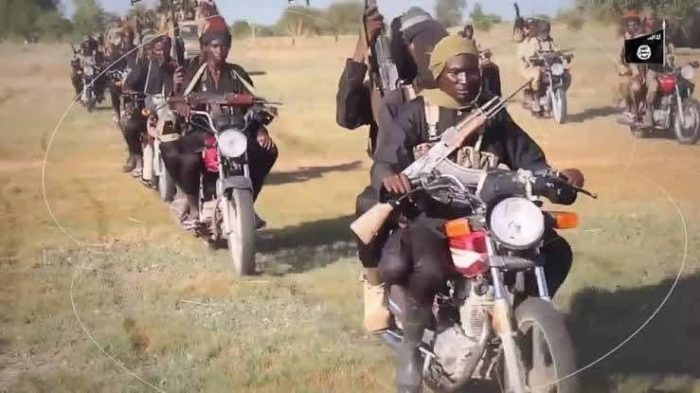
At the local level, communities experience the crisis not as an abstract geopolitical issue but as a daily struggle for survival. Armed groups, including bandits and extremist factions, exploit weak state presence and porous security architecture to carry out attacks with impunity. In regions such as the Middle Belt and parts of the North East, cycles of reprisal violence have further entrenched mistrust among ethnic and religious groups. While faith identities often intersect with these conflicts, they do not fully explain their origins or persistence. Reducing the crisis to a single causal factor risks misdiagnosis and, consequently, ineffective policy responses.
International attention, though necessary, has introduced its own complications. Advocacy campaigns and foreign policy responses, particularly those emerging from Western political and religious organisations, often reflect specific ideological frameworks that may not align with the nuanced realities on the ground. The designation of Nigeria within global watchlists or the rhetoric of “genocide” carries significant diplomatic weight, yet such labels must be applied with analytical precision. When external accounts dominate without sufficient engagement with local contexts, they can inadvertently inflame tensions or undermine domestic efforts at conflict resolution.

The Nigerian state, for its part, faces a profound test of legitimacy and capacity. Public confidence in security institutions has been eroded by repeated failures to prevent attacks or bring perpetrators to justice. At the same time, official responses have often been criticised as inadequate or dismissive, particularly when communities perceive a gap between government statements and lived realities. Restoring trust requires not only improved security operations but also transparent communication, inclusive governance, and a demonstrable commitment to protecting all citizens irrespective of identity.
Ultimately, reframing the debate on violence in Nigeria demands a shift from rhetoric to rigour. It calls for a balanced approach that recognises the gravity of human suffering while resisting the temptation of reductive accounts. Sustainable solutions will depend on strengthening local institutions, addressing structural inequalities, and fostering genuine dialogue across divided communities. For the international community, the task is not merely to amplify alarm but to support context sensitive interventions that empower Nigerians themselves to secure peace.
– Inah Boniface Ocholi writes from Ayah – Igalamela/Odolu LGA, Kogi state.
08152094428 (SMS Only)