
Freedom of speech has become the most combustible currency in Nigeria’s democratic marketplace. In theory it is constitutional, sacred, inviolable. In reality it is treated as a potential weapon, monitored, restrained, and increasingly punished. Across the globe, governments are grappling with the same dilemma: how to protect open expression without allowing words to trigger violence, extremism, and institutional breakdown. In Nigeria, however, this debate is more than philosophical. Speech here does not merely offend; it mobilizes mobs, sharpens ethnic suspicions, inflames religious fault lines, and repeatedly tests the idea of a shared national destiny.
The Nigerian state defends regulation as an act of survival rather than repression. Hate speech laws, cybercrime provisions, and security driven arrests are justified in a country where rumours have sparked riots, elections have been poisoned by disinformation, and careless rhetoric has drawn blood. Nigeria is not a homogenous polity with deep reservoirs of trust. It is a fragile federation held together by history, anxiety, and unresolved grievances. To the political class, unrestrained speech in such an environment is not freedom but fuel poured on dry grass.
Yet the greater danger lies in who decides what constitutes a threat. Increasingly, dissent is treated as destabilization, criticism as subversion, and uncomfortable questions as national security risks. Journalists are detained, online activists are harassed, and digital expressions are elevated to the status of crimes against the state. The boundary between hate speech and inconvenient truth has become dangerously elastic. When power alone defines which words endanger the nation, democracy does not collapse loudly; it suffocates quietly. Fear replaces debate, obedience replaces scrutiny, and stability becomes a performance enforced by intimidation.

The digital revolution has sharpened this tension. Social media has armed Nigeria’s youth with a megaphone the old order never anticipated. It has exposed corruption, disrupted propaganda, and mobilized civic pressure. It has also magnified falsehoods, insults, and coordinated outrage. Rather than confronting this complexity with civic education, credible institutions, and transparent governance, the state has often defaulted to arrests and intimidation. This approach treats expression as the disease instead of a symptom. A democracy that answers speech with handcuffs teaches its citizens that authority is allergic to accountability.
Nigeria now stands at a familiar junction in the history of fragile democracies. It can regulate speech with precision, restraint, and judicial integrity, or it can continue to weaponize stability against freedom. Words can indeed fracture nations, but so can the criminalization of thought. The real test of Nigeria’s strength is not its capacity to silence dangerous voices, but its ability to withstand uncomfortable ones without unraveling. Stability built on fear is temporary. Stability rooted in trust, openness, and resilient institutions is the only kind that endures.
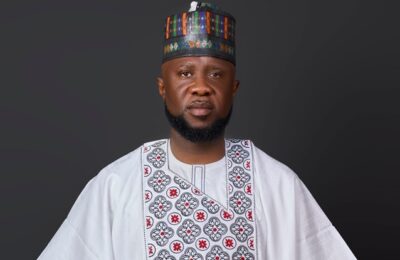
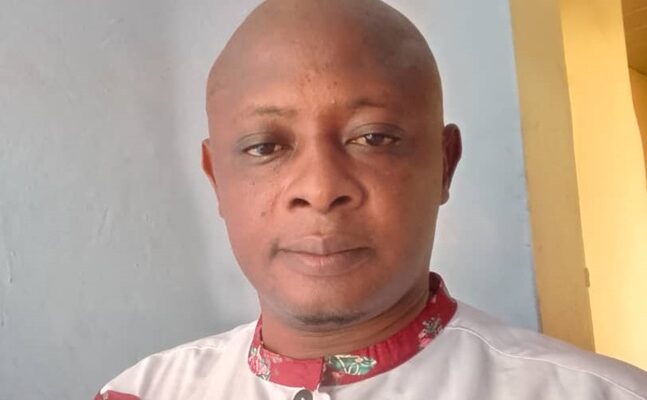
– Inah Boniface Ocholi writes from Ayah – Igalamela/Odolu LGA, Kogi state.
08152094428 (SMS Only)