
Energy security has become one of the most urgent policy conversations in Nigeria today. Despite possessing one of the largest natural gas reserves in the world, the country continues to experience unstable electricity supply, slow industrial growth, and persistent energy shortages that undermine economic development. Natural gas, often described as the bridge between fossil fuels and cleaner energy systems, holds enormous potential to transform Nigeria’s industrial landscape. For states such as Kogi, strategically located in the country’s Middle Belt and endowed with significant mineral resources, the effective utilisation of Nigeria’s gas wealth offers a pathway toward industrial expansion, job creation, and regional economic transformation.
At the national level, natural gas has increasingly been positioned as the backbone of Nigeria’s future energy strategy. With over two hundred trillion cubic feet of proven reserves, the resource base is sufficiently large to power industries, generate electricity, and stimulate manufacturing across the federation for decades. Yet the paradox remains striking. A nation sitting on vast gas resources still struggles with power shortages, frequent grid instability, and heavy reliance on expensive diesel generators. The challenge therefore lies not in resource availability but in infrastructure, governance, and policy implementation that can translate potential into productive economic activity.
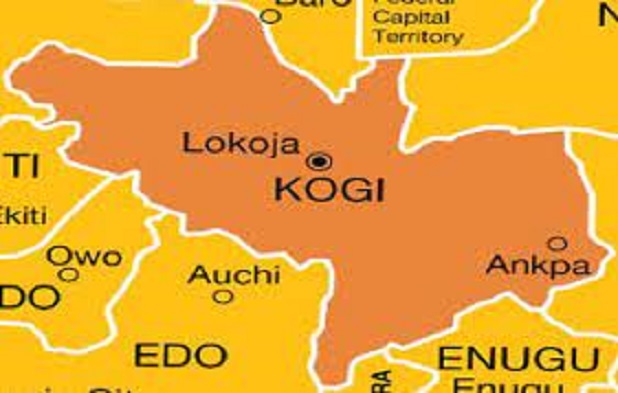
This contradiction has direct implications for subnational economies such as Kogi State. Kogi occupies a strategic geographic position linking northern and southern Nigeria and possesses abundant deposits of iron ore, coal, limestone, and other industrial minerals. These resources naturally position the state as a potential industrial hub within the country. However, industrialisation cannot thrive in an environment where energy supply is uncertain or prohibitively expensive. Gas powered energy infrastructure, including pipelines, gas fired power plants, and industrial gas supply networks, could provide the stable energy backbone required to unlock the state’s manufacturing and processing potential.

The lessons from Nigeria’s broader gas sector experience are therefore instructive. Industrial growth follows energy availability just as rivers follow gravity. Countries that have successfully industrialised typically first secured reliable energy systems capable of powering factories, transportation networks, and urban development. Nigeria’s gas resources offer exactly such a foundation. When efficiently harnessed through transparent regulation, sustained infrastructure investment, and coordinated policy frameworks, natural gas can serve as the engine that drives industrial clusters, petrochemical plants, fertiliser production, and steel manufacturing across strategic states including Kogi.
Encouragingly, recent national initiatives aimed at deepening gas utilisation, including the declaration of a “Decade of Gas,” reflect growing recognition of the resource’s strategic importance. Expanding gas pipeline networks, strengthening public private partnerships, and encouraging domestic gas pricing reforms are steps that can gradually unlock the country’s gas economy. If implemented effectively, such reforms could extend industrial gas supply corridors into emerging economic zones across Nigeria’s interior regions, bringing states like Kogi closer to the centre of the country’s industrial future.
Ultimately, Nigeria’s gas future represents more than an energy conversation; it is a development conversation. Energy is the quiet bloodstream of modern economies, flowing beneath factories, cities, and industries that depend upon it for life. For Kogi State, the opportunity lies in aligning local industrial ambitions with Nigeria’s expanding gas infrastructure and policy direction. If energy policy and industrial strategy move together with clarity and discipline, the state could evolve from a resource rich territory into a vibrant industrial corridor within Nigeria’s economic architecture.
– Inah Boniface Ocholi writes from Ayah – Igalamela/Odolu LGA, Kogi state.
08152094428 (SMS Only)