
The world is once again standing on a fragile fault line. Tensions surrounding Iran have intensified global concern, and the language of missiles, retaliation, and strategic dominance now echoes across diplomatic corridors. History has repeatedly shown that conflicts which begin in one region rarely remain confined there. When powerful nations clash, the shockwaves travel across continents through energy markets, political alliances, fragile economies, and the lives of ordinary people who never chose the battlefield.
Iran today sits at the center of a geopolitical storm, but the implications extend far beyond its borders. From the Middle East to Europe, from Asia to Africa, governments are watching carefully as rhetoric grows sharper and military calculations deepen. The modern world is deeply interconnected. A crisis in one strategic region can disrupt global energy supply, unsettle financial markets, and intensify humanitarian suffering in distant nations. What begins as a regional confrontation can quickly become a global tremor.
Beyond political calculations and military strategies lies a deeper moral question confronting humanity. Moments of tension often force societies to examine not only their power but also their conscience. War has always promised decisive outcomes, yet history shows that it often leaves enduring scars. Cities are destroyed, families are broken, and generations grow up carrying memories of violence and loss.

In moments like this, the world needs more than political negotiation. It needs moral reflection. Across cultures and religious traditions, prayer has often emerged when human wisdom alone seems insufficient to calm gathering storms. Prayer reflects humility. It acknowledges that despite all human planning and power, the preservation of peace ultimately requires restraint, wisdom, and compassion.
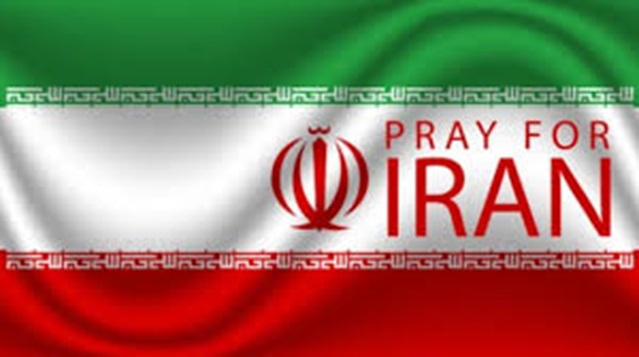
Praying for Iran does not mean supporting any government or political interest. It means recognizing the value of human life. Ordinary citizens, families, and children are always the first victims of war. When nations move closer to confrontation, it is these unseen lives that stand in the greatest danger.
History repeatedly reminds humanity that moments of global tension often carry warnings. They remind us how fragile peace can be and how costly the consequences become when pride and fear guide international decisions. Many wars in history began with confidence but ended in regret.
This moment therefore calls for responsibility and courage. World leaders must pursue restraint. Diplomacy must take priority over escalation. Citizens across the world must raise their voices for peace. People of faith must pray not only for Iran but for the entire human family.
Before the fire spreads further, humanity must choose wisdom instead of pride, dialogue instead of destruction, and peace instead of war. In times like these, prayer becomes more than a religious act. It becomes a quiet but powerful declaration that the future of the world should never be written in the language of violence.
– Inah Boniface Ocholi writes from Ayah – Igalamela/Odolu LGA, Kogi state.
08152094428 (SMS Only)