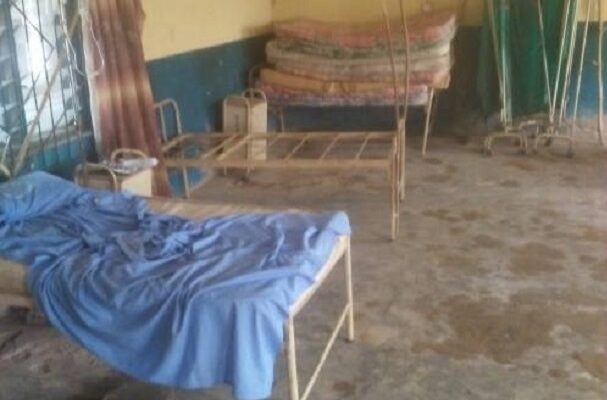

Across Africa, the quiet crisis unfolding in hospitals, clinics, and rural health posts is not primarily a crisis of medicine. It is a crisis of political will. Millions of citizens still struggle to obtain basic healthcare, not because modern medical knowledge is unavailable, but because the systems designed to deliver care remain chronically underfunded and structurally fragile. In a continent whose population is projected to double by 2050, failing to invest in health is no longer simply a policy oversight. It is a threat to human dignity, economic stability, and global security.
Health systems form the invisible architecture that sustains societies. When clinics are equipped, nurses trained, and community health workers supported, lives are saved long before crises reach hospital doors. Vaccinations prevent disease, maternal care protects families, and early diagnosis reduces the cost of treatment. Yet across large parts of Africa, overstretched facilities struggle to provide even the most basic services. Patients travel long distances for care, essential medicines are often scarce, and health professionals frequently work under extraordinary pressure. These realities are not inevitable. They are the result of persistent underinvestment in the most fundamental pillar of national development.
Evidence across the world demonstrates that countries that invest consistently in primary healthcare build stronger economies and more resilient societies. Healthy populations are more productive, children learn better in school, and communities withstand economic and environmental shocks with greater stability. By contrast, fragile health systems amplify every crisis. Disease outbreaks spread faster, maternal mortality rises, and poverty deepens when families must pay out of pocket for treatment. In Africa, strengthening community based healthcare, expanding the health workforce, and increasing domestic financing by even a modest annual margin could transform outcomes for millions of people.

This moment also demands deeper international cooperation. Infectious diseases do not respect national borders, and the lessons of recent global health emergencies have shown that weak systems anywhere create risks everywhere. Partnerships between African governments, global institutions, and development partners can support stronger infrastructure, better training, and more resilient supply chains. Reducing financial barriers to care while preparing for climate related health shocks will require coordinated global action that places human wellbeing at the center of policy decisions.
The case for investing in African healthcare is therefore not merely humanitarian. It is strategic, moral, and urgent. Every functioning clinic, every trained health worker, and every community protected from preventable disease represents a step toward a more stable and equitable world. When leaders choose to strengthen health systems, they do more than fund hospitals. They protect the future.
– Inah Boniface Ocholi writes from Ayah – Igalamela/Odolu LGA, Kogi state.
08152094428 (SMS Only)