
Nigeria stands as a tragic paradox of abundance and abandonment, a nation endowed with immense human and natural capital yet impoverished in governance, sovereign in structure yet captive in function. From Lagos to Lokoja, Maiduguri to Port Harcourt, the Nigerian citizen is no longer merely demanding development, they are demanding dignity. Good governance has transcended political rhetoric and become a language of survival. The streets re-echoes with exhaustion, the markets whisper despair, and the youth carry a generational fury forged by betrayal, exclusion, and institutional corrosion. This is no longer simply a crisis of leadership, it is the collapse of moral authority.
The Nigerian state has gradually mutated into a system where power is pursued more aggressively than service, where public office is commodified, and where governance is reduced to symbolism rather than substance. Elections rotate faces but preserve structures. Policies multiply while accountability evaporates. Institutions exist, but their autonomy is suffocated by patronage, capture, and coercion. Citizens do not experience governance as protection, they experience it as extraction. They do not feel represented, they feel administered. Democracy under these conditions becomes procedural rather than purposeful, ceremonial rather than transformative.
The gravest danger is not infrastructural decay or economic fragility, it is civic disintegration. A nation cannot endure when its citizens lose faith in the very idea of the state. When people retreat into ethnic enclaves, religious fortresses, and survival individualism, national cohesion fractures. The social contract collapses quietly through voter apathy, youth disengagement, institutional mistrust, and public silence. States do not always fall through violence, many disintegrate through psychological withdrawal.

Yet within this erosion exists resistance. Nigerians continue to organise, mobilise, document, speak, build, vote, and imagine alternatives. Civil society endures. Independent media persists despite intimidation. Youth movements reject erasure. The search for good governance has evolved into a collective civic consciousness rather than a partisan project. It is no longer about parties but principles, not personalities but systems, not power transfer but power transformation. The citizen is awakening to a truth deeply threatening to predatory elites, legitimacy no longer flows from office, it flows from performance.
Nigeria’s future will not be secured by manifestos, summits, or speeches, but by a radical redefinition of governance, from domination to service, from control to stewardship, from privilege to responsibility. Good governance is not an aspirational luxury, it is a national emergency. Nigerian citizens are not demanding perfection, they are demanding fairness, transparency, justice, and competence. History will not remember how powerful leaders were, but how accountable they became. The nation that rises will be the one that finally understands this immutable principle, governance is not the ownership of power, it is the obligation to the people.
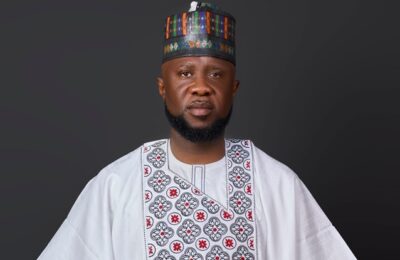
– Inah Boniface Ocholi writes from Ayah – Igalamela/Odolu LGA, Kogi state.
08152094428 (SMS Only)