
By Ishaq Dan-Imam, Lokoja
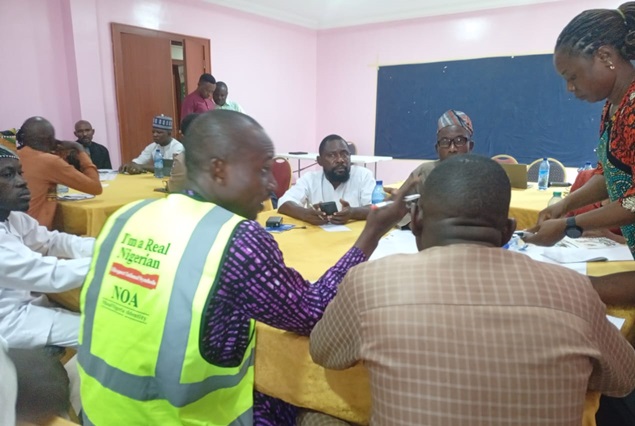
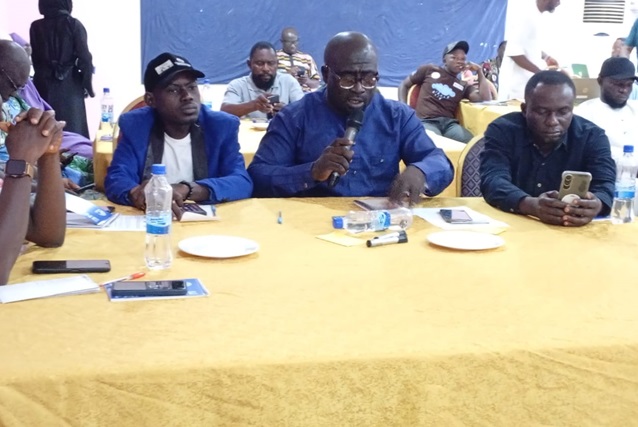
Amid rising fears of eminent danger of floods in the flood-prone areas in Kogi State, north central Nigeria, the Christian Blind Mission (CBM Nigeria), held a three-day intensive training on disability- inclusive disaster risk reduction training aimed at evaluating the Disaster preparedness plan in the state. The workshop, which ended on Friday, assessed the level of disaster risk reduction preparedness by the disaster response stakeholders in Kogi State, as the water level in Kogi State rises.
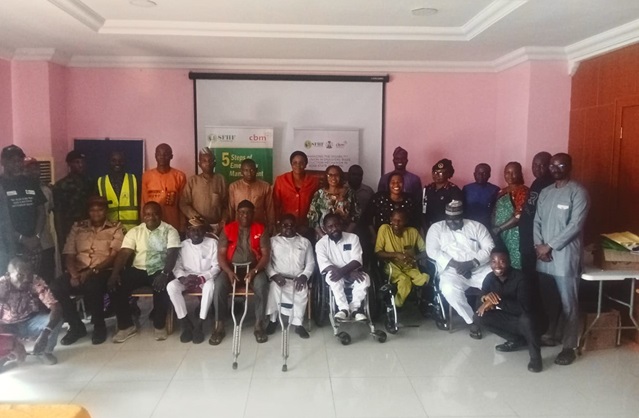
The event brought together disaster management officials, volunteers, and donor agencies implementing disaster risk reduction (DRR) projects in the state aimed at giving impetus to the existing disaster risk reduction framework in Kogi State.

Mr. Michael Ida, programme manager of CBM Nigeria, said disaster risk managers in the state owe it a humanitarian duty to plan, serve, protect and support the flood survivors on the throes of flooding in Kogi State and elsewhere in Nigeria with adequate resource allocation, increased political will and deployment of efficient technical, and humanitarian support system through adequate budgetary provision, community engagement, resource mobilisation as well as effective community participation in disaster risk reduction in all communities across the state.
Ida noted that the paucity of funds and the apparent resource and coordination gaps as well as the limited government enablement in the state emergency response with regard to effective disaster management approach to emergencies in the state, were not justifications to inefficient disaster risk management as disaster risk reduction efforts are religiously meant to be source of selfless humanitarian service to God, as Ida says efficient planning and care for the survivors of disasters is a Godly venture that requires Godliness, integrity, hardwork and accountability to God and humanity.
According to Ida, the CBM and other international organisations working on disaster risk reduction in Kogi State would like to invest more in disaster risk reduction in the state if the right commitments and administrative measures were put in place to enhance proper coordination, resource allocation and proactive disaster management approach towards building community resilience in the state.
Ida noted the need for emergency respondents in the state to plan well ahead with strategic action plan to mitigating emergencies such as floods with effective professional disaster response, community need assessment, disaster risk reduction techniques and psychosocial support to flood survivors by the disaster rescuers, caregivers and community members to alleviate the survivors’ pangs of suffering in wake of the floods. Ida urged the participants to be proactive, collaborative, and operationally efficient in their various Communities with regard to search and rescue humanitarian operations.
The participants emphasized the importance of early warning systems, community awareness, and effective coordination among the stakeholders in the state.
The Sustainable Family Healthcare Foundation (SFHF) launched the Disability-Inclusive Disaster Risk Reduction (DiDRR) project in Kogi State earlier this year to help vulnerable communities and persons with disabilities stay safe and resilient during disasters.
Mr. Ibrahim Daniel Arome, Kogi State Chairman of the Joint natioonal association of persons with disabilities (JONAPWD) says Persons with disabilities in the state faced major hurdles regarding physical accessibility, missing assistive devices, and a lack of sign language or audio-based early warnings.
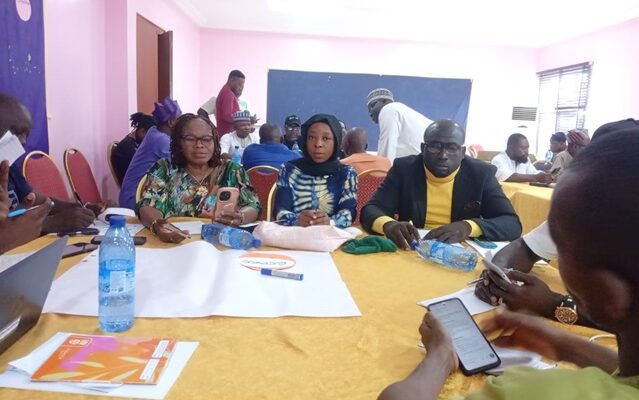
The Red Cross, along other disaster management stakeholders in the state, including kogi state emergency agency SEMA, ministry of humanitarian affairs, health, environmental, NSS Lugard, Nigeria Navy, Nigeria security and civil defense Corps (NSCDC), Federal Road Safety Corps were among the participants in the training, which featured simulation, practical session and and group discussions on the dynamics of disaster risk reduction, disaster management challenges, operational strategies for effective disaster risk reduction in Kogi state, community resilience and creative rescue techniques among others highlighted the impediment to effective disaster management, while the stakeholders expressed their readiness to collaboration and inter-agency coordination to achieve greater efficiency.
The Red Cross represented by Mr. Danjuma A. Usman, popularly known as Mr. Dan, a regional disaster response team member for West and Central africa of Red Cross, urged the participants to seek deeper understanding of the humanitarian situations in the state before making conclusions on the distribution of relief materials and palliatives amid the allegations of diversion of of the palliatives, adding that the stakeholders must de-emphasize monetary gains in disaster response activities and as such, be knowledgeable in search and rescue activities, while carrying out humanitarian service to the state.