
Alot of people are born into circumstances we did not choose. We are born into families, nations, cultures, economies and histories already in motion. Call this physical destiny: the geography of our beginning. But a beginning is not a verdict. Prophetic destiny asks a more demanding question—not where you came from, but what you are responsible for becoming.
Physical destiny explains your starting conditions. It can tell you the family that raised you, the environment that formed you, the opportunities placed before you and the disadvantages you were forced to confront. But circumstances describe a life; they do not necessarily define its assignment. Origin is information, not always instruction.
This distinction matters because people often mistake inheritance for destiny. A person can inherit privilege and squander it. Another can inherit hardship and transform it into strength. Someone may receive a famous name without possessing a meaningful mission. Another may begin unnoticed and become consequential. What you inherit can influence your life without possessing the authority to determine its meaning.

Prophetic destiny begins where mere circumstance ends. It concerns calling: the conviction that one’s life carries an assignment larger than comfort, recognition or survival. In religious understanding, that assignment comes from God. But revelation does not remove responsibility. A prophetic word may announce possibility; character, discipline and obedience determine whether possibility becomes reality.
This is why prophetic destiny should never be confused with prediction. Prediction tells you what may happen. Calling tells you what you must become. Prediction can make a person passive, waiting for an announced future. Calling makes a person responsible, demanding preparation for a future that may require sacrifice long before it produces evidence.
The difference becomes clearest under pressure. Physical destiny is concerned with what happened to you. Prophetic destiny asks what you will do with it. Your history may explain your wounds, but it cannot excuse permanent surrender to them. Your environment may establish your limitations, but it does not automatically establish your ceiling.
Nor does prophetic destiny promise an easy life. In Scripture, many callings passed through obscurity, rejection, delay and sacrifice. Joseph had a dream before he had a position. Moses had an assignment before he had confidence. David was anointed before he was enthroned. The distance between revelation and fulfilment often becomes the workshop of character.
The danger, then, is not simply missing your destiny. It is choosing a smaller life because your present circumstances feel more convincing than your future calling. Physical destiny says, “This is where you are.” Prophetic destiny says, “This is not where the story ends.” One describes the terrain. The other demands that you walk it.
Your birthplace is not your blueprint. Your family is not your final definition. Your past is not your prophecy. Circumstances may explain the person who entered the story, but calling determines the person capable of changing it. Physical destiny gives you a beginning. Prophetic destiny gives that beginning a burden, a direction and a reason.
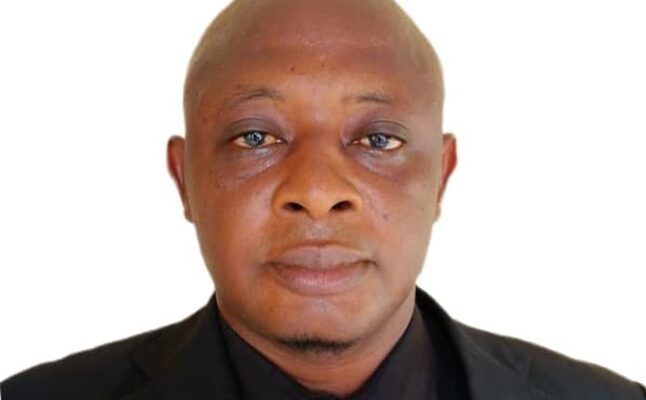
– Inah Boniface Ocholi writes from Divine Drops Ministry International– Kogi State, Nigeria.
09125469873 (Whatsapp Only).