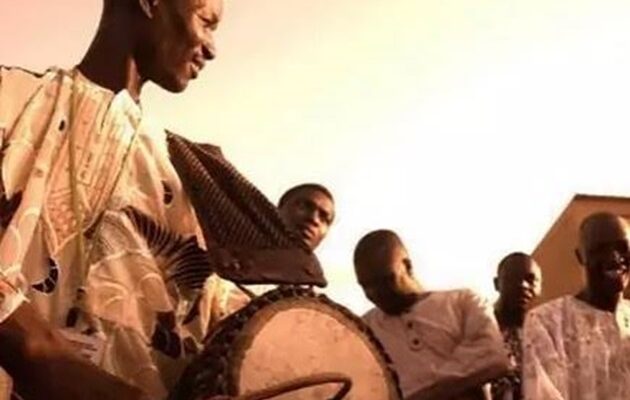

In most Nigerian and African societies, culture wasn’t written down first. It was spoken, sung, and performed. That’s why oral forms are the original “archives” of a people. They are how values, history, and skills were passed on without a classroom or textbook.
Here’s the importance of each one:
Oral Traditions

What it is: The broad umbrella – all spoken forms passed from generation to generation: songs, chants, histories, rituals.
Why it’s important:
Cultural Memory Bank: It preserves a community’s history, migrations, wars, and achievements before colonial records. Example: Griots in Hausa/Fulani culture or the Ijala chants of the Yoruba.
Identity and Continuity: It tells you “who we are and where we came from.” Without it, a group loses its root.
Living Curriculum: It teaches social rules, taboos, and acceptable behavior as people grow up hearing it.
Folktales
What it is: Fictional stories, often with animals or humans, that teach a lesson. Think Tortoise and Hare stories across Nigeria.
Why it’s important:
Moral Education: They encode ethics in a simple story. “Tortoise’s greed always fails” teaches honesty and patience better than a lecture.
Critical Thinking: Children learn to analyze character, consequence, and cause-effect.
Socialization: Folktales are used at night gatherings to teach kids how to live in the community.
Myths
What it is: Sacred stories that explain the origin of the world, gods, nature, or a people. Example: Yoruba myths of Oduduwa, Igbo myths of creation.
Why it’s important:
Cosmology & Worldview: Myths explain why things are the way they are – why we farm, why we have seasons, why we respect certain deities.
Religious & Spiritual Foundation: They justify rituals, taboos, and festivals. They connect the physical world to the spiritual.
Collective Belief System: Myths create shared meaning that holds a society together.
Legends
What it is: Stories about real or semi-real people and events, exaggerated over time. Example: Queen Amina of Zaria, Sango, Moremi.
Why it’s important:
History + Inspiration: Legends preserve historical events but also give role models of courage, wisdom, and sacrifice.
Cultural Pride: They build patriotism and self-esteem. “Our ancestors were great, so we can be too.”
Link Between Past and Present: Legends make history personal and emotional, not just dates.
Proverbs
What it is: Short, wise sayings with deep meaning. Example: Igbo: “Ebe onye bi ka o na-awa nshi” – Where you live is where you flourish.
Why it’s important:
Compressed Wisdom: A whole philosophy in one sentence. Elders use proverbs to settle disputes, give advice, or correct without insult.
Language Mastery: Using proverbs shows intelligence, maturity, and cultural fluency. “He who speaks in proverbs is wise.”
Conflict Resolution: Proverbs allow indirect communication, so people save face while learning a lesson.
Poetry
What it is: Rhythmic, stylized speech or song – praise poetry, dirges, war songs. Example: Oriki among Yoruba, Soka among Hausa.
Why it’s important:
Emotional Preservation: Poetry captures feelings about war, death, love, or leadership in a way prose cannot.
Historical Record: Oriki names and praises lineages, titles, and heroic deeds, so genealogy is not forgotten.
Ceremonial Power: Poetry is used in coronations, burials, and festivals to set the mood and honor people/events.
Storytelling
What it is: The act of delivering all the above. The performance, voice, gestures, and audience interaction.
Why it’s important:
The Delivery System: Without storytelling, myths, proverbs, etc. are just texts. Storytelling makes knowledge alive and memorable.
Intergenerational Bonding: Night stories around fire or in the zaure build family/community ties.
Active Learning: Listeners ask questions, laugh, and respond. It’s participatory, not passive.
In conclusion,Oral traditions, folktales, myths, legends, proverbs, poetry, and storytelling are Nigeria’s original universities. They taught ethics, governance, agriculture, medicine, and leadership long before formal schools.
If a community stops telling these stories, it risks cultural amnesia
– Benjamin Ibrahim writes from Lokoja, Kogi state.
+2348069596250