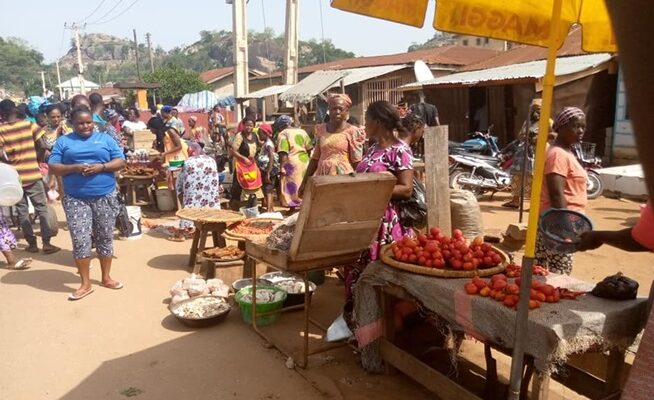

For millions of Nigerians, economic hardship is no longer an abstract policy concern but a daily reality. The rising cost of food, transportation, housing, healthcare, and education has placed unprecedented pressure on household finances. While macroeconomic reforms are often justified as necessary for long-term stability, their immediate effects have been felt most acutely by ordinary citizens whose incomes have failed to keep pace with escalating living expenses.
The burden is particularly severe among low- and middle-income households. Within the urban and rural communities alike, families are recalibrating their spending priorities to accommodate shrinking purchasing power. Essential commodities that were once considered affordable have become increasingly inaccessible. Consequently, households are reducing consumption, postponing major expenditures, and relying on informal support networks to bridge widening financial gaps. What emerges is a portrait of resilience, but also of mounting economic vulnerability.
The labour market offers little relief. Although many Nigerians continue to demonstrate remarkable entrepreneurial ingenuity, business owners face rising operating costs, unstable energy supplies, and diminished consumer demand. Small and medium-sized enterprises, which constitute the backbone of economic activity, must navigate an environment characterised by uncertainty and constrained access to capital. For workers, stagnant wages often fail to reflect prevailing market realities, further intensifying financial strain.

Yet amid these challenges, Nigerians continue to adapt with characteristic determination. Households are diversifying income streams, embracing digital commerce, expanding small-scale enterprises, and leveraging community-based support systems. These coping mechanisms reveal both the creativity and resilience of the population. However, adaptation should not be mistaken for prosperity. Survival strategies may mitigate immediate hardship, but they cannot substitute for sustained economic growth, productive employment, and effective social protection policies.
The central question confronting policymakers is whether economic reforms can deliver tangible improvements in living standards within a reasonable timeframe. Citizens understand that structural transformation requires patience, but patience is not inexhaustible. Public confidence ultimately depends on visible outcomes: lower inflation, greater employment opportunities, improved purchasing power, and a more predictable economic environment. Until such gains become evident, the lived experience of many Nigerians will remain defined not by economic promise but by the daily struggle to make ends meet.
– Inah Boniface Ocholi writes from Ayah – Igalamela/Odolu LGA, Kogi state.
08152094428 (SMS Only)