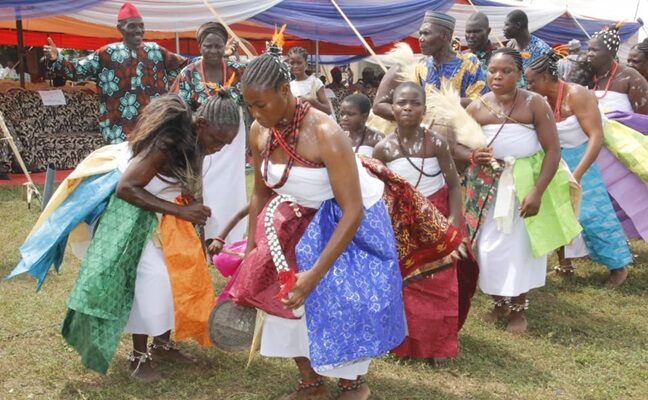

Culture and traditions are Nigeria’s operating system – they shape how people think, relate, make decisions, and resolve conflict,
With over 250 ethnic groups, Nigeria doesn’t have one culture, but some patterns cut across and heavily influence behavior.
Cultural practice
Collectivism over individualism

Culture: Most Nigerian ethnic groups – Yoruba, Igbo, Hausa-Fulani, Ibibio, etc. – operate on communal values. The saying “it takes a village to raise a child” is real practice.
Influence on behavior: People prioritize family and community reputation over personal interest. Shame and honor are strong social controls.
Decision-making is often consultative.
Elders, family heads, and community leaders are consulted before major steps like marriage, business, or land sales.
It drives strong kinship networks that provide social security where the state doesn’t. But it also enables nepotism and “godfatherism” in politics and business.
Respect for hierarchy and elders
Culture:
Age and status command automatic respect across most groups. In Yoruba culture, prostrating for elders; in Hausa culture, “gaisuwa” greetings; in Igbo culture, deference to “ndị okenye”.
Influence on behavior:
People are less likely to challenge authority openly, even when wrong. This affects workplace dynamics, schools, and government.
It speeds up dispute resolution locally through elders’ councils, but can slow down accountability when leaders abuse power.
Young people often wait for “turn” rather than push for merit-based advancement.
Religion and traditional belief systems
Nigeria is deeply religious – Islam in the North, Christianity across the South and Middle Belt, plus enduring traditional practices like Ifa, Ogboni, Ekpe.
Influence on behavior:
Religion shapes morality, dress, marriage, and daily routines. Friday prayers and Sunday services affect business hours and traffic.
Religious leaders wield significant social and political influence. Fatwas, sermons, and prophecies can mobilize or calm populations faster than government statements.
Traditional beliefs still influence justice and healing, especially in rural areas where people consult native doctors or use oath-taking for contracts.
Ethnic identity and language
Ethnicity is a primary identity marker. Language, festivals, attire, food, and history create strong in-group bonds.
Influence on behavior:
People often trust and do business more easily with their own ethnic group. This builds tight business networks – e.g., Igbo trading networks, Hausa transport networks.
It also fuels ethnic bias in politics, employment, and resource allocation. “Where are you from?” is a standard question because it signals networks and expectations.
Festivals like Durbar, Ofala, Argungu, Eyo reinforce identity and social cohesion annually.
Communal conflict resolution and justice
Many communities prefer restorative justice over punitive legal processes. Elders’ councils, “Almajiri” courts, customary courts resolve disputes through mediation and compensation.
Influence on behavior:
Most disputes never reach formal courts. It keeps the formal justice system less burdened but can undermine formal legal rights, especially for women and minorities.
Public shaming, oaths, and communal pressure are used to enforce agreements.
Hospitality and social obligation
Hospitality is a core value. Guests are fed, hosted, and protected. Gift-giving and “dash” are embedded in social interactions.
Influence on behavior:
It creates strong social safety nets. Strangers can find help in new cities through ethnic unions.
It also blurs lines between gift and bribe, making corruption socially acceptable in some contexts.
Gender roles and marriage customs
Traditional roles differ by group, but often emphasize male headship and family lineage through marriage.
Influence on behavior:
Marriage negotiations, bride price, and extended family involvement affect economic decisions and women’s mobility.
Changing slowly in urban areas, but still shapes education, inheritance, and political participation.
Culture provides social order, identity, resilience, and informal social security. It’s why Nigeria holds together despite weak state institutions
Some traditions conflict with modern human rights, rule of law, and merit-based systems. Practices like child marriage, widow dis- inheritance, and ethnic favoritism persist because “it’s our culture.”
In conclusion culture isn’t a static,Education, urbanization, social media, and legal reforms are shifting norms, especially among youth in cities. But change is faster in private behavior than in public institutions, because institutions are built on the same cultural expectations.
– Benjamin Ibrahim writes from Lokoja, Kogi state.
+2348069596250