
In 2016, Kogi State stood at a familiar crossroads of limited infrastructure, constrained public services, and uneven development. By 2024, under the leadership of Yahaya Bello, the narrative had shifted dramatically, driven by an assertive, statewide infrastructure and reform agenda that touched nearly every sector of public life.
This is the story of an administration that made infrastructure both its signature and its strategy, delivering projects at scale while reshaping governance around visibility, access, and inclusion.
Bello’s most visible legacy lies in road infrastructure:

- Hundreds of kilometers of roads constructed and rehabilitated statewide
- Over 38km of rural roads in Olamaboro alone, opening agrarian corridors
- Delivery of the Ganaja Flyover in Lokoja, the state’s first
- Massive township road upgrades and intercity link roads across the three senatorial districts
These interventions reduced travel time, boosted commerce, and integrated rural economies into broader markets.
The administration undertook one of the largest education infrastructure expansions in the state’s history:
- 1,800+ classrooms constructed
- 833 classroom blocks renovated
- 600+ schools rehabilitated
- 35,000+ desks and learning materials distributed
- Establishment of GYB Model Science Secondary Schools with modern facilities
- Recruitment of over 4,000 teachers and training of 2,000+ administrators
The focus combined infrastructure, manpower, and modernization, aimed at long-term human capital development.
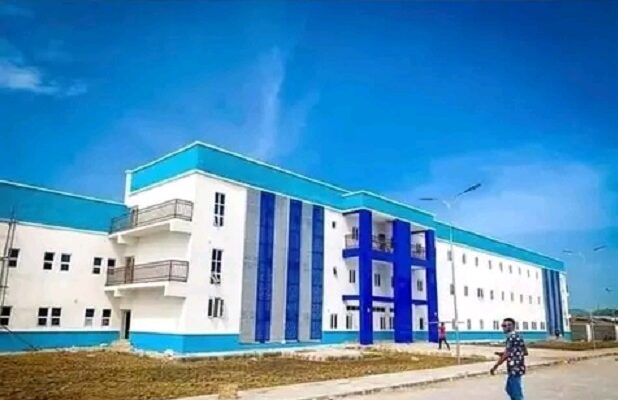
Healthcare delivery saw major upgrades:
- Remodeling of 10+ general hospitals
- Construction of a Central Reference Hospital now Confluence University Teaching Hospital in Okene
- Expansion of Lassa fever treatment and isolation facilities
- Establishment of a modern diagnostic/imaging centre in Lokoja
These investments improved access to quality care and strengthened emergency response capacity.
Urban renewal and utilities formed a critical pillar:
- Construction of an ultra-modern Revenue House
- Upgrade of the Greater Lokoja Water Board
- Reconstruction of Lugard House (Government House)
- Provision of transformers and rural electrification projects, extending power access to underserved communities
The result: improved service delivery, administrative efficiency, and urban livability.
To drive inclusive growth, Yahaya Bello administration invested heavily in agriculture:
- Establishment of 1,000-hectare farm estates
- Procurement of 375 tractors and 1,500 tillers
- Creation of ~15,000 jobs in agricultural value chains
- Expansion of rural access roads supporting farm-to-market logistics
This integrated approach positioned agriculture as a key economic engine.
Beyond physical infrastructure, the Bello administration strengthened institutional capacity:
- Investment in security architecture, including logistics and coordination support for agencies
- Digital and structural reforms in revenue collection systems
- Construction and rehabilitation of government administrative facilities statewide
Improved security conditions were widely cited as enabling economic and social activities.
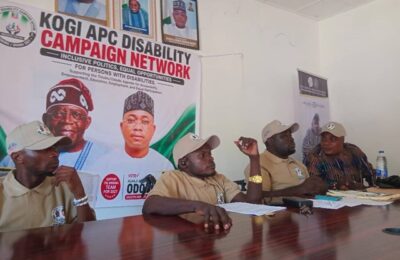
A defining political element of Bello’s leadership was inclusion:
- Appointments of young people and women into key government positions
- Skills development and empowerment programmes targeting thousands of youths
- Support initiatives for SMEs and informal sector participants
These policies complemented infrastructure by expanding access to opportunity.
Across sectors, the administration of Yahaya Bello is credited with over 100 landmark projects, including:
- Major roads and the Ganaja Flyover
- Model schools and mass classroom construction
- Hospitals, diagnostic centres, and public health facilities
- Water systems, electrification, and urban infrastructure
- Agricultural estates and mechanization programmes
Notably, these projects were distributed across Kogi East, Central, and West, reinforcing a narrative of balanced development.
Analysts agree that Bello’s governance model fused development with political strategy. By prioritizing visible, high-impact projects, his administration built grassroots trust and a durable political base.
Infrastructure became more than policy, it became proof of governance, a campaign message in concrete form, and a legacy that continues to shape political discourse in Kogi State.
Eight years on, the imprint of Yahaya Bello is unmistakable.
From roads that now bind communities, to schools educating a new generation, to hospitals delivering life-saving care, his administration’s record stands as a bold experiment in infrastructure-led governance.
Debates about sustainability and long-term outcomes remain, but on the ground, across the Confluence State, the evidence is visible, tangible, and enduring.
In the end, Yahaya Bello years tell a clear story: leadership measured not just in promises, but in projects that changed the face of a state.
– Comrade Danfulani Lukman Ohinoyi writes from Okene.