
Legal practitioners have been urged to adopt stronger professional ethics and effective client-management strategies in order to reduce complaints, disciplinary sanctions, and reputational damage within the legal profession.
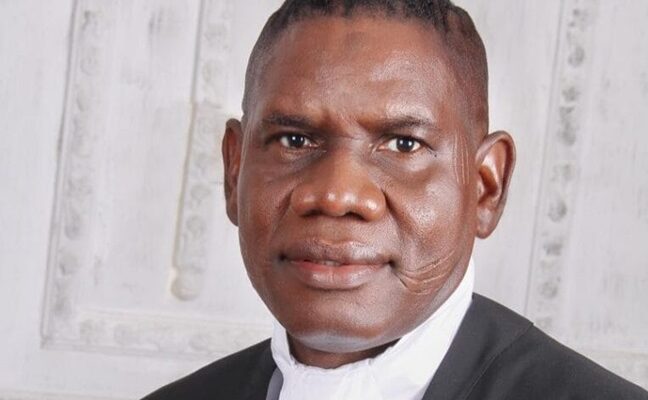
The call was made by Senior Advocate of Nigeria, Usman O. Sule, SAN, during a Continuing Legal Education (CLE) knowledge-sharing session organised by the Nigerian Bar Association (NBA), Bwari Branch, popularly known as the Cradle Bar.
The session, themed “Professional Ethics and Client Management: Avoiding Complaints, Sanctions, and Reputation Damage,” was held on Friday, February 13, 2026, at the Gadis Event Center, opposite Government Girls Secondary School, Dutse, Abuja.

Speaking during the session, Sule described professional ethics not merely as a moral obligation but also as a practical risk-management tool for lawyers.
According to him, most complaints against legal practitioners stem from three key factors: expectation gaps between lawyers and clients, improper handling of clients’ funds or property, and breakdown in communication.
He noted that when such issues are compounded by delay, discourtesy, or perceived dishonesty, they often lead to petitions against lawyers and significant reputational damage.
“Professional ethics is not only a moral ideal; it is a practical risk-management tool. When communication fails, expectations are not properly managed, or client funds are mishandled, the result is often avoidable disciplinary proceedings,” Sule said.
The senior lawyer identified several factors that frequently trigger complaints from clients. These include unclear scope of work, poor communication and lack of periodic updates, failure to account for client funds, missed deadlines, conflicts of interest, and unprofessional conduct towards the court or colleagues.
He stressed that proper client management remains the most effective solution to these challenges, urging lawyers to establish clear engagement terms, document client instructions, communicate regularly, and maintain transparent financial records.
Sule also highlighted the regulatory and ethical framework guiding legal practice in Nigeria, including the Legal Practitioners Act, the Rules of Professional Conduct for Legal Practitioners 2023, the disciplinary role of the Body of Benchers through the Legal Practitioners Disciplinary Committee (LPDC), and the Nigerian Bar Association’s complaints mechanisms.
According to him, breaches of professional conduct can attract severe penalties ranging from admonition to suspension or even being struck off the roll of legal practitioners.
He further emphasised that integrity, competence, diligence, and confidentiality remain core professional duties that protect a lawyer’s reputation.
Citing judicial authorities, Sule noted that the Supreme Court has consistently stressed the importance of integrity in legal practice, describing it as the foundation upon which the profession is built.
He also advised lawyers to adopt structured client-management practices throughout the lifecycle of a legal brief, including conducting conflict checks before accepting instructions, issuing written engagement letters outlining the scope of work and fees, and maintaining consistent communication with clients.
On the sensitive issue of handling client funds, Sule warned practitioners against mixing client money with personal or office funds, urging them to maintain proper records, issue receipts promptly, and render periodic accounts.
He concluded that professional ethics and client management are inseparable, noting that lawyers who communicate clearly, document instructions, and account faithfully are less likely to face disciplinary complaints.
The CLE session formed part of the NBA Bwari Branch’s efforts to promote continuous professional development and reinforce ethical standards within the legal profession.